
Tales of Unity
Play Tales of Unity
Tales of Unity Screenshots

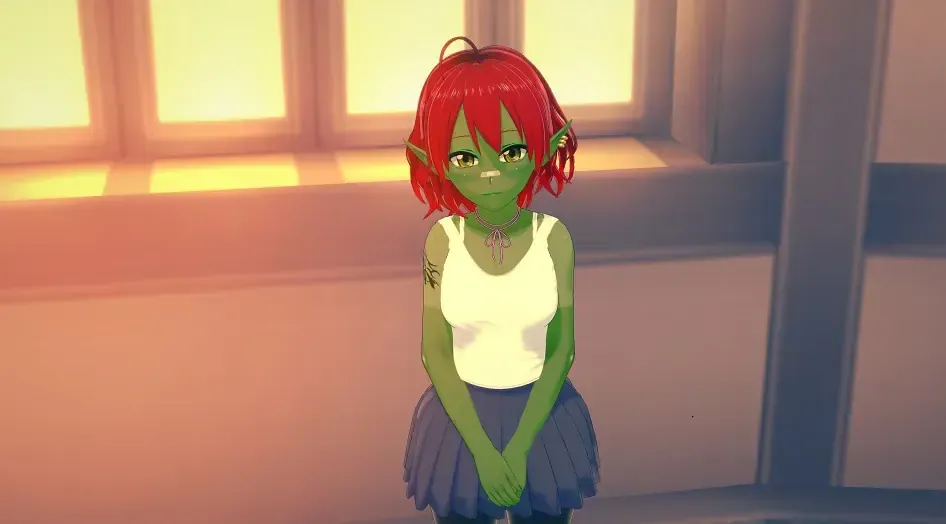

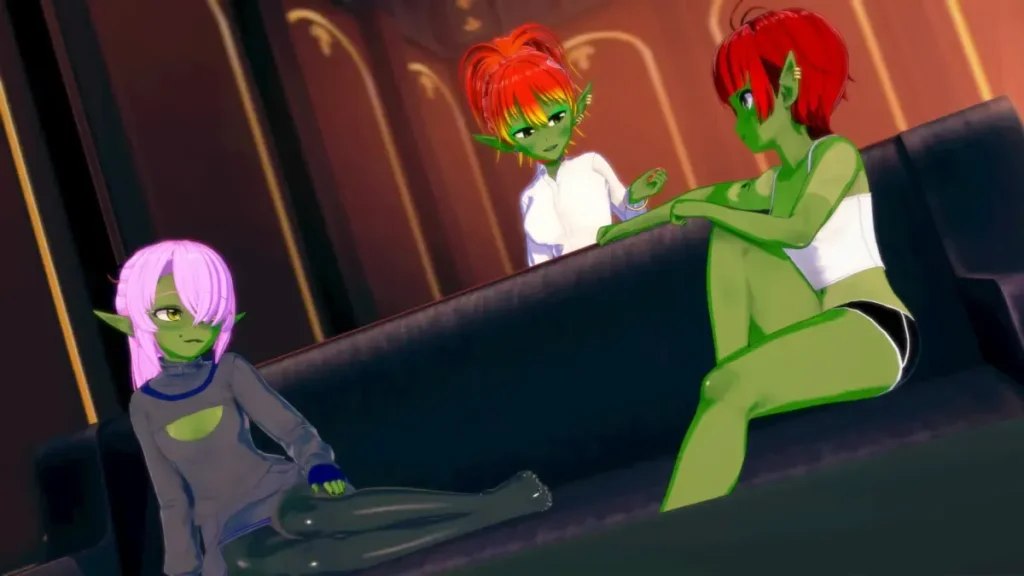
Tales of Unity review
A practical, story-focused look at Tales of Unity, its world, and how to get the most from the game
Tales of Unity has earned a reputation for combining an ambitious fantasy story with relationship-driven gameplay, and many players discover it while browsing for adult-focused visual novels. In this guide, we will walk through what Tales of Unity is really about, how its choices and characters work, and what to expect from your first full playthrough. I’ll share personal impressions, practical tips, and examples from my own sessions so you can decide if Tales of Unity fits your taste, your hardware, and your preferred playstyle.
What Is Tales of Unity and How Does It Play?
Ever clicked on a game because the art looked cool, only to find yourself hours later, completely invested in the characters’ lives and fretting over the moral implications of a choice you made three chapters ago? 😅 That’s the unique magic of Tales of Unity. If you’re wondering what is Tales of Unity, let me break it down for you in the simplest terms: it’s a fantasy visual novel that uses a mature, story-rich setting to pull you into a world of intricate politics, deep relationships, and meaningful consequences. It’s less about quick-time events and more about the choices you make over a cup of virtual tea with a potential ally… or rival.
This Tales of Unity game stands out because it commits fully to its narrative. Yes, it contains explicit content, but that’s woven into a larger, legitimately compelling fantasy saga. Think of it less as a series of scenes to unlock and more as an interactive novel where your decisions genuinely shape your journey, alliances, and the fate of the world. It’s a game for readers, for thinkers, and for those who believe the best stories are the ones you help tell.
What is Tales of Unity and what makes it different?
So, what is Tales of Unity at its core? Imagine a classic fantasy epic—complete with warring kingdoms, magical lore, and a cast of complex characters—but instead of controlling a hero in real-time combat, you guide them through conversations, exploration, and pivotal decisions. The primary gameplay loop is built on branching narrative paths. You don’t just watch the story of Tales of Unity unfold; you direct it through every dialogue choice and interaction.
What truly makes this Tales of Unity game different from other narrative titles is its dedication to long-form character development. The explicit elements aren’t the goal; they’re a part of the characters’ relationships and stories, which develop over many hours of play. You’re managing reputations, building trust (or sowing discord), and unlocking scenes—both intimate and plot-critical—based on where you invest your time and attention. The world feels alive because your actions have weight, changing how characters perceive you and what opportunities become available later. It’s a deep, story-focused experience that rewards patience and engagement.
How does gameplay work in Tales of Unity?
If you’re curious about Tales of Unity gameplay, picture a beautiful, illustrated book where you get to choose what happens next. The interface is clean and intuitive, typical of a PC visual novel. You’ll primarily use your mouse to click through dialogue, select options, and navigate the game’s various menus and maps.
The structure is chapter-based. Each day (or chapter) in the game presents you with a limited amount of time or resources, like action points. You decide how to spend them. Do you explore the city’s market district to uncover a rumor? Visit the library to research an ancient threat? Or seek out a specific companion to deepen your bond with them? This resource management layer adds a lovely strategic touch to the Tales of Unity gameplay, making you consider your priorities carefully.
The core loop of this Tales of Unity visual novel experience is beautifully straightforward:
- Talk & Listen: Engage in conversations with a diverse cast of characters. The writing is the star here, fleshing out the world and its people.
- Choose: Make decisions in dialogue. These can be obvious (be kind or be cruel) or subtly influence hidden “affection” or “trust” stats.
- Explore: Move between hand-drawn locations to find items, trigger events, or meet characters at specific times.
- Unlock: Based on your choices and stats, you progress storylines and unlock new scenes, which can be romantic, dramatic, or lore-revealing.
Here’s a quick look at the primary systems you’ll engage with:
| System | How It Works | Player Impact |
|---|---|---|
| Dialogue Choices | Select from multiple responses during conversations. Some are time-sensitive. | Directly influences character relationships and opens or closes future story branches. |
| Time/Resource Management | You have a limited number of “actions” per story chapter. | Forces meaningful decisions on how to spend your day—pursuing a personal subplot or advancing the main quest. |
| Relationship Tracking | Hidden metrics track your standing with each major character. | High enough rapport unlocks special scenes and story routes; low rapport can lead to conflict or missed content. |
| Exploration | Click on locations on a map to see if any events or characters are present. | Discover side stories, collect useful items, and encounter characters outside of scripted moments. |
Now, let me share a story from my first hour that perfectly encapsulates the Tales of Unity gameplay. I started a fresh save, determined to be a virtuous diplomat. Early on, I met Elara, a sharp-tongued spy. During our first conversation, I had the option to openly challenge her cynical worldview or play along with her sarcasm. Thinking it was just flavor text, I chose to match her tone, joke for joke.
“I figured that early choice was just about setting a mood. I didn’t realize I was secretly choosing the entire tone of our relationship. Seeing that casual banter evolve into a foundation of mutual respect—and later, a crucial alliance—was a fantastic ‘aha!’ moment.”
Weeks later in the game, during a tense standoff, Elara referenced that very first conversation. My flippant choice had established a thread of understanding between us, which she used to interpret a coded message in a way a more formal ally would have missed. It was a brilliant demonstration of how Tales of Unity rewards careful reading and treats your choices as permanent building blocks for its world.
Is Tales of Unity worth trying for new players?
This brings us to the big question: is Tales of Unity worth playing? From my experience, absolutely—if you know what you’re signing up for. Let’s talk accessibility. The learning curve is gentle. The interface is clean, saving is quick and unlimited, and you can re-load any previous save to explore a different choice—a feature I used constantly! Choices aren’t always marked as “GOOD” or “BAD,” which I love, as it encourages role-playing instead of point-gaming. The Tales of Unity game is forgiving in that you can’t truly “lose” in a traditional sense, but your decisions will create your unique version of the narrative.
My Tales of Unity review for newcomers is overwhelmingly positive, with a few caveats. Here’s who will likely have a fantastic time:
- Fans of deep narrative and world-building. If you love getting lost in a good book or a lore-rich RPG, this is for you. ✨
- Players who enjoy character-driven stories. The heart of the game is its cast, and their development is superb.
- Those who like making meaningful choices and seeing the long-term consequences play out.
- Visual novel enthusiasts looking for a lengthy, mature, and well-written fantasy entry in the genre.
On the other hand, you might want to look elsewhere if:
- You seek fast-paced action, combat, or reflexes-based gameplay. This is a thoughtful, reading-heavy experience. 📖
- You prefer straightforward, linear stories without branching paths.
- The visual novel format or the presence of adult content is not to your taste.
Approach Tales of Unity as you would an interactive fantasy novel. Your controller is your curiosity, and your primary skill is empathy. If the idea of getting to know a cast of flawed, fascinating characters and guiding their intertwined destinies in a rich fantasy world sounds appealing, then this game offers a uniquely satisfying experience. It’s a testament to how powerful choice-driven storytelling can be, making it worth playing for any fan of narrative adventures.
Tales of Unity stands out because it treats its fantasy world and relationships as more than a backdrop, rewarding players who pay attention to dialogue and are willing to experiment with different choices. By approaching it as a story-first experience, you can enjoy the layered cast, branching routes, and the satisfaction of discovering scenes you might have missed on your first run. Whether you are curious about its reputation or already familiar with similar narrative games, give yourself time to settle into its rhythm, save often, and explore different paths. If you do, Tales of Unity can become one of those titles you return to whenever you want a character-driven story you can actively shape.