Stars of Salvation
Play Stars of Salvation
Stars of Salvation Screenshots



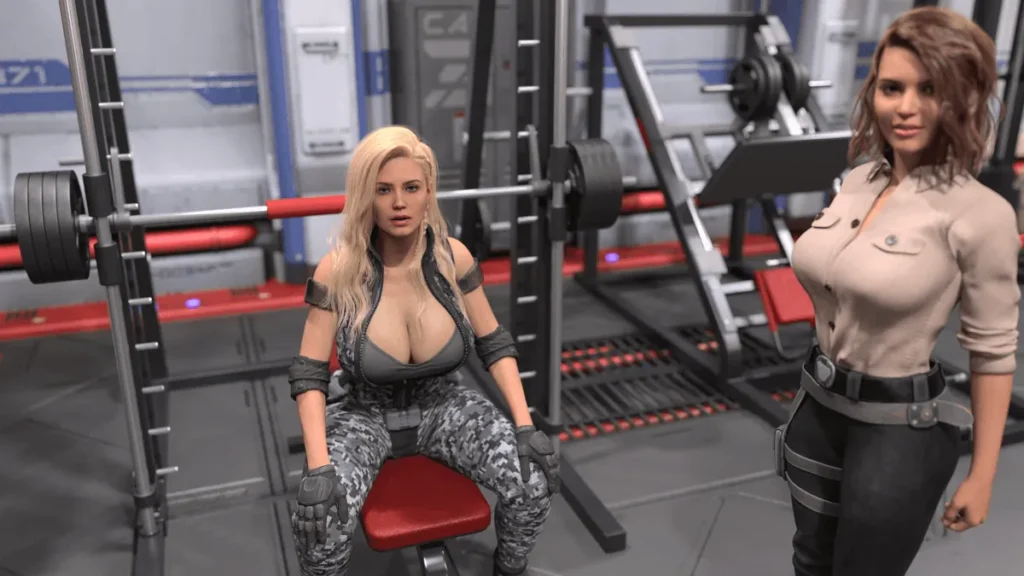
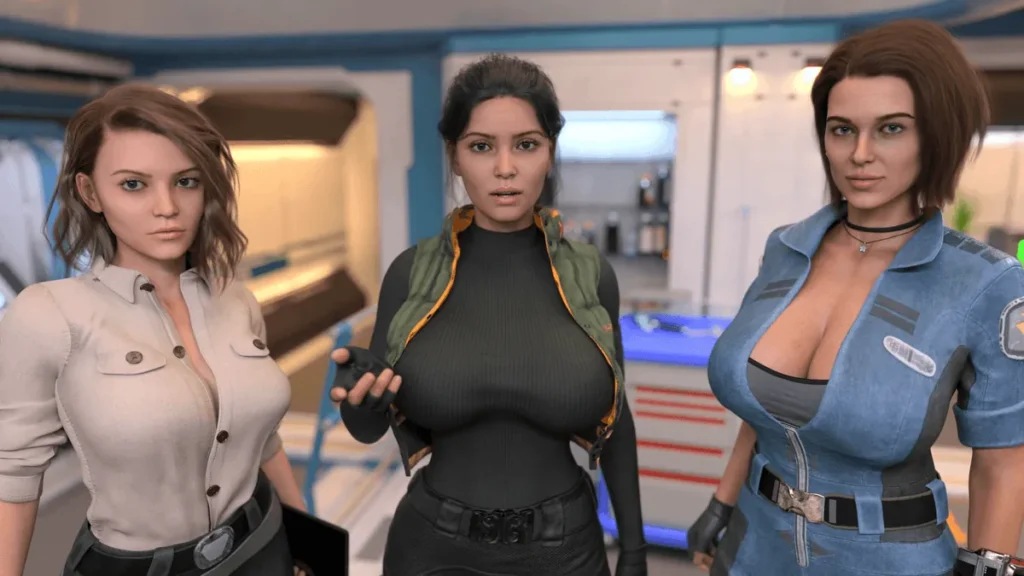
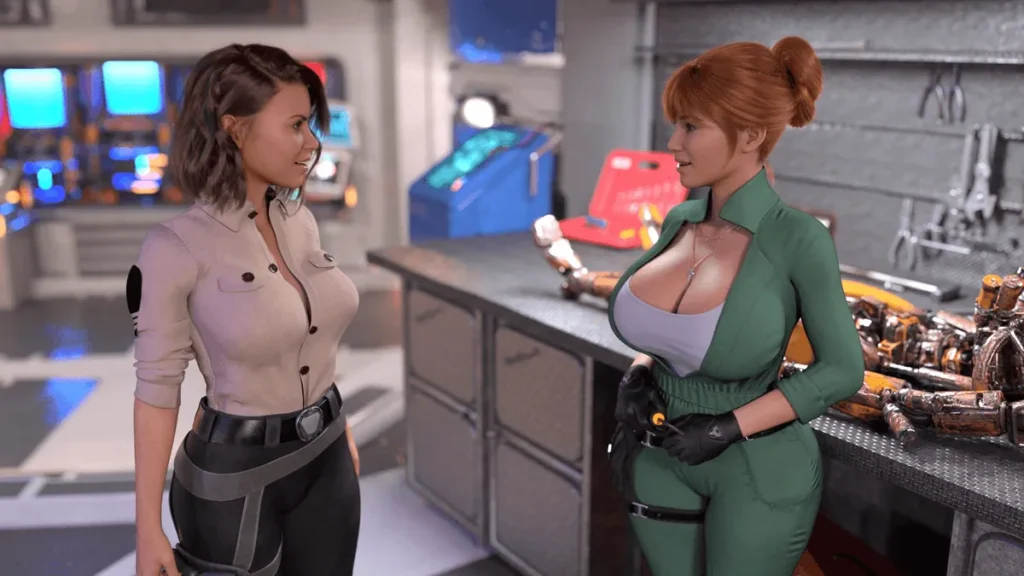
Stars of Salvation review
Explore thrilling adventures and intimate stories in this captivating game
Hey there, fellow gamer—have you ever blasted through space in a sci-fi epic only to stumble into deeply personal, steamy encounters? That’s the magic of Stars of Salvation, the visual novel from Abnormalsoftware that’s got players hooked. I remember my first playthrough: heart-pounding ship battles mixed with choices that led to unforgettable intimate moments. This guide dives deep into what makes it shine, from story twists to romance paths. Whether you’re new or replaying for secrets, stick around—I’ll share tips that transformed my experience into an addictive journey.
What Makes Stars of Salvation a Must-Play Sci-Fi Adventure?
I remember the first time I truly understood the pull of Stars of Salvation gameplay. It was 2 AM, the ship’s systems were blaring a collision alert, and I was desperately trying to reroute power between shields and engines while simultaneously choosing what to say to my terrified engineer, Kaelen. In that moment, I wasn’t just playing a game; I was a captain. This perfect, heart-pounding blend of interstellar crisis and deeply personal interaction is the magic of this sci-fi adventure Stars of Salvation. It’s a universe where every stellar phenomenon and alien first contact is filtered through the lens of your relationships with your crew. If you’re looking for a Stars of Salvation visual novel that delivers both epic scope and intimate drama, you’ve just hit the jackpot. 🚀
This guide is here to pull back the curtain on why this game is so utterly captivating. We’ll break down the rich story, the clever mechanics that make it more than just reading, and the choices that truly matter. By the end, you’ll have a solid Stars of Salvation plot summary and a toolkit for making your mark on the galaxy.
Unpacking the Core Storyline and Setting 🌌
At its heart, the Stars of Salvation story explained is a tale of desperate hope and cosmic mystery. Humanity, pushed to the brink by environmental collapse, launches the Salvation—a massive generation ship—on a centuries-long voyage to a promised habitable world, the mythical “Eden’s Star.” You take command decades into the journey, inheriting a ship worn down by time and a crew frayed by the pressures of endless void-life.
Your role is dual: part explorer, part counselor. The core Stars of Salvation gameplay loop involves managing your ship’s critical resources (power, morale, hull integrity) as you navigate treacherous nebulas, investigate derelict alien vessels, and chart unknown planetary systems. 🪐 This isn’t just window dressing; a failed scan or a poor navigation choice can directly trigger a story event that puts your crew in jeopardy.
The setting is a character itself. You’ll customize your captain’s quarters, upgrade the Salvation’s subsystems, and decide which sectors to probe. A key early mission might involve investigating a mysterious energy signature, which could lead to discovering precious resources, awakening a dormant AI, or attracting the attention of the enigmatic, crystalline “Shard” aliens. Each discovery peels back a layer of the universe’s lore, hinting that the journey to Eden’s Star is far more complicated than anyone on Earth ever imagined.
Pro Tip: One of the best pieces of advice for how to play Stars of Salvation effectively is to invest in Sensor Upgrades early. Better sensors give you more warning about hazards and more detailed scan data on planets, which often unlocks additional dialogue options and story paths.
Why the Visual Novel Mechanics Hook You In 📖
Calling Stars of Salvation just a “visual novel” feels almost reductive. Yes, it uses stunning artwork, evocative music, and text-driven narrative, but its systems are designed for maximum immersion and agency. The Stars of Salvation visual novel format is the perfect vehicle for its story, because everything is about perspective and choice.
The branching narrative is its masterstroke. Nearly every significant conversation uses a dialogue tree, and your selections build invisible relationship scores with your crewmates. This isn’t about picking “good” or “bad” responses; it’s about choosing which aspect of your captain’s personality to show. Are you the pragmatic leader, the compassionate friend, or the curious scientist? Your consistent choices will determine who trusts you, who confides in you, and who might even fall for you. ❤️
The game encourages replayability through its robust save system. You’ll want to create saves before big decisions, not just to avoid disaster, but to actively explore different outcomes. Seeing how a single, tense exchange with the logical first officer Lyra can blossom into a respectful professional alliance or a simmering romantic tension on another playthrough is what gives this sci-fi adventure Stars of Salvation endless legs. The “New Game+” feature, which carries over some of your unlocked lore entries and even subtle personality flags, makes subsequent journeys through the stars feel uniquely yours.
Player Choices That Shape Your Galactic Fate ⚖️
This is where Stars of Salvation gameplay truly shines. The game constantly presents you with decisions that have weight, often trading one valuable resource for another or pleasing one crew member at the expense of another. Do you use limited medical supplies to save a wounded alien lifeform, or conserve them for your own crew? Do you share a troubling discovery about the mission’s true purpose with everyone immediately, or keep it secret to prevent a panic?
Let me give you a case study from my own playthrough—my “bad” path. 🧊 I decided to fully embrace a ruthless, ends-justify-the-means mentality. When we discovered a fragile alien ecosystem on a planet rich in fuel, I ordered it strip-mined. My engineer, who values life above all, was horrified. I dismissed his concerns, pushing him away. Later, during a critical system failure, that broken trust meant he hesitated for a crucial second. That second cost the life of another crewmate. The game didn’t flash a “YOU ARE EVIL” screen; it just presented the heartbreaking consequences of my accumulated choices in a quiet, devastating scene. It was intense, dramatic, and showed me that my captain’s soul was as much at stake as the ship.
To help you visualize the scope of these branches, here’s a look at some of the major story paths:
| Branch Name | Key Decision | Outcome | Replay Value |
|---|---|---|---|
| The Diplomatic Path | Forging an alliance with the Shard aliens instead of attacking their fleet. | Unlocks unique Shard technology and a peaceful resolution to the Third Act crisis. | High – reveals hidden Shard lore and a unique ending cinematic. |
| The Renegade Captain | Prioritizing the mission’s success over individual crew safety multiple times. | Leads to a depleted but highly efficient crew, and a morally ambiguous “victory.” | Medium – a dark but compelling narrative about sacrifice. |
| Lyra’s Logic | Supporting First Officer Lyra’s data-driven plans over more emotional alternatives. | Strengthens your professional bond, leading to a strategic coup late-game. | High – unlocks special tech research options and a deeply intellectual romance path. |
| Kaelen’s Compassion | Consistently siding with Engineer Kaelen’s empathetic approach to problems. | Boosts overall crew morale significantly and can save characters who otherwise perish. | Medium – focuses on character-driven stories and a heartfelt romantic subplot. |
| The Truth Seeker | Investigating the mysterious “Eden’s Star” transmission anomalies despite orders to ignore them. | Leads to uncovering the shocking secret about humanity’s origin and the true nature of the voyage. | Very High – the game’s most plot-heavy and revelation-filled branch. |
So, why does Stars of Salvation stand out in the crowded field of visual novels? 🤔 It’s because it masterfully uses the format’s strengths—deep characterization, branching narratives, emotional weight—and bolts them onto a genuinely thrilling sci-fi adventure Stars of Salvation framework. You’re not just watching a story about saving humanity; you’re actively piloting it, arguing for it, and sometimes, loving it. The Stars of Salvation plot summary is just the launch pad. Where you go, and who you become along the way, is entirely up to you.
Frequently Asked Questions
-
What’s the best ending to get on a first playthrough?
There’s no single “best” ending, as the value is in your personal story. For a balanced first experience that shows off the game’s range, try to role-play a consistent captain (e.g., principled but kind) and avoid looking up guides. Your authentic, unspoiled ending will be the most meaningful. -
How long does it take to complete Stars of Salvation?
A single playthrough focusing on the main story and some side interactions takes about 12-15 hours. To fully explore all major branches and see multiple endings, you can easily spend 40+ hours, especially with New Game+. -
Is the romance a major part of the Stars of Salvation gameplay?
Romance is a significant and well-integrated optional component. Building a deep relationship with a crewmate unlocks unique story scenes, provides mechanical bonuses (like morale boosts), and can influence certain late-game decisions and endings. -
Can I “fail” the game and get a bad ending early?
Yes, it is possible. Catastrophic failures in ship management during crisis events or completely fracturing your crew’s trust can lead to premature “game over” scenarios. The game autosaves frequently, so these are often learning moments rather than dead ends.
There you have it—Stars of Salvation isn’t just a game; it’s a personal odyssey through stars and heartfelt connections that lingers long after the credits roll. From my obsessive replays chasing every romance to mastering those nail-biting missions, it’s delivered thrills I won’t forget. If you’re craving a mix of epic sci-fi and intimate tales, dive in today. Grab your copy, make those bold choices, and share your wildest endings in the comments—what path hooked you most? Your adventure awaits among the stars.