Shadows
Play Shadows
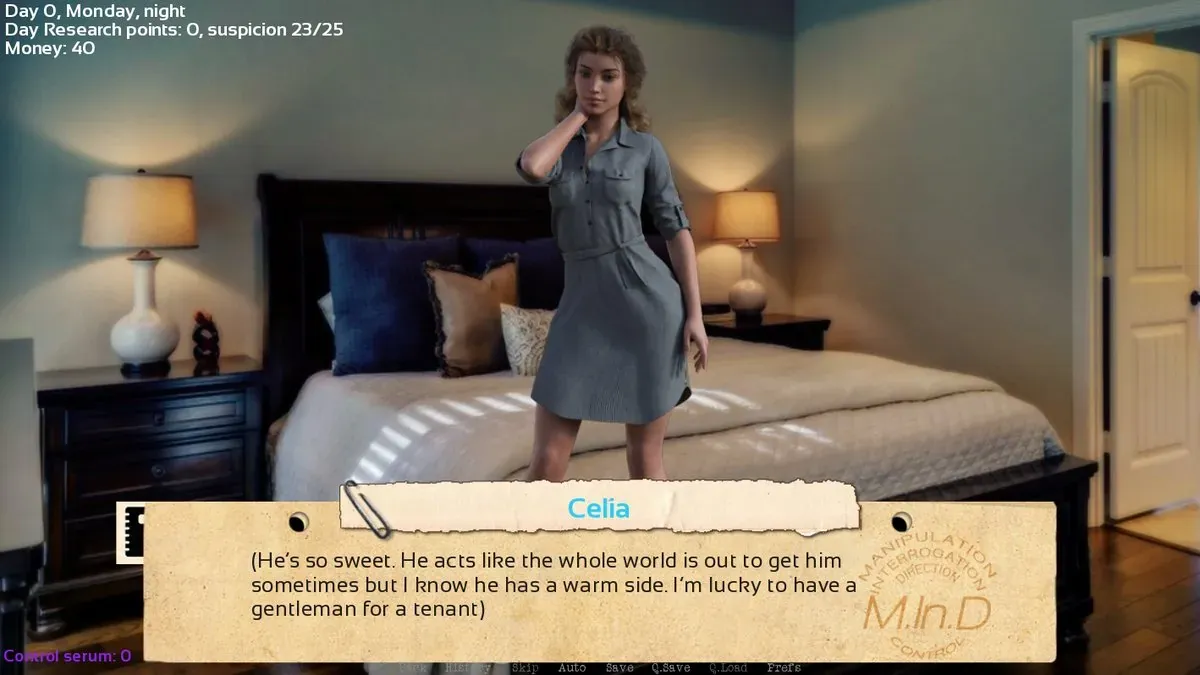
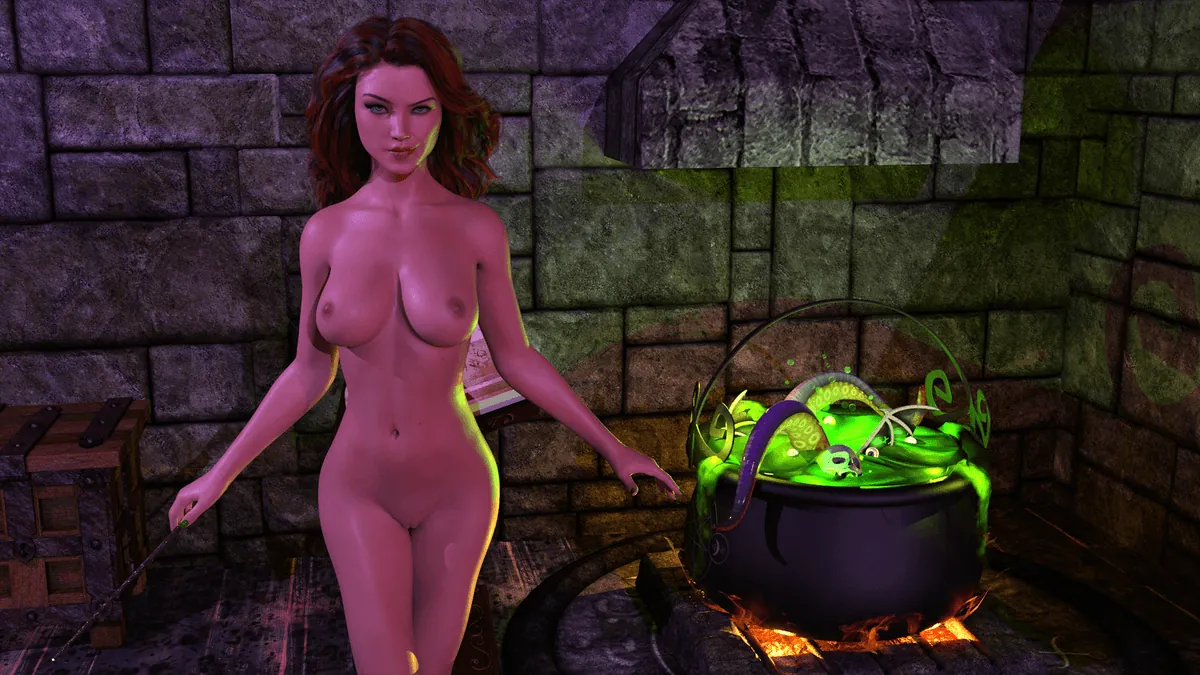
Shadows Screenshots






















Shadows review
Explore Gameplay, Features, and Player Experience of Shadows
Shadows is a captivating adult-themed interactive game that blends immersive storytelling with engaging gameplay. This article dives into the core aspects of Shadows, offering insights into its unique features, gameplay mechanics, and what players can expect. Whether you’re new to the game or looking to deepen your understanding, this guide covers everything you need to know about Shadows.
Understanding Shadows: Gameplay and Storyline
So, you’ve heard whispers about Shadows and you’re wondering what all the fuss is about? 🕵️♂️ You’re not alone. In a world bursting with adult-themed titles, many feel like hollow experiences—beautiful to look at but empty inside. Shadows, however, flips the script entirely. It’s not just about visuals; it’s about wielding real power over a living, breathing narrative. Your decisions aren’t just buttons to click; they’re the architects of the entire experience. Let’s pull back the curtain and see what truly makes this Shadows game gameplay so captivating.
### What Makes Shadows Unique?
Forget what you know about typical titles in this genre. What sets Shadows apart isn’t a single feature, but a philosophy. It’s built on the idea that maturity in gaming isn’t just about content, but about consequence, character, and sophisticated storytelling. 🎭 While many games offer a linear path with optional scenes, Shadows weaves its mature themes directly into the core fabric of its Shadows interactive story.
The magic lies in integration. Every interaction, every dialogue choice, and every relationship you build or break feeds directly into the Shadows storyline. There’s no separation between “story mode” and “interactive mode.” They are one and the same. This creates a sense of immersion that’s rare, where you feel genuinely responsible for the characters and the tangled web of events you help spin. It treats its audience as intelligent players seeking engagement, not just passive observers. This respectful, player-driven approach is the cornerstone of its design and the heart of Shadows replayability.
### Core Gameplay Mechanics
At its core, Shadows game gameplay is an elegant dance of choice and consequence. The interaction style is primarily menu and dialogue-driven, but don’t mistake that for simplicity. Each menu is a crossroads, and each dialogue option is a tool that can build trust, sow discord, or unveil hidden secrets. 🔧
- The Progression System: You don’t “level up” in a traditional sense. Instead, progression is measured through relationship meters, discovered plot threads, and the unlocking of new story branches. Your standing with key characters opens or closes entire chapters of the tale. It’s a silent, dynamic tracker of your influence on the world.
- Character Customization: While not a vast open-world RPG level of customization, Shadows offers meaningful ways to define your protagonist. Early choices often set your personality tendencies—are you diplomatic, impulsive, cunning, or compassionate? These leanings can subtly alter available dialogue options and how certain characters perceive and react to you throughout the Shadows storyline.
- Unique Interactive Features: One standout Shadows game features is the “Memory Journal.” This in-game log doesn’t just recap events; it interprets them based on your choices and the emotional state of your character. Reading it after a major decision can reveal biases or narrative foreshadowing you might have missed, adding a brilliant layer of depth to the adult interactive game mechanics.
Think of the mechanics not as a game system, but as the language you use to converse with the story. Here’s a quick breakdown of how these systems work together:
| Mechanic | How It Works | Player Impact |
|---|---|---|
| Dialogue Trees | Multiple response options, often with tone indicators (e.g., [Charm], [Confront], [Inquire]). | Directly affects character relationships and unlocks specific plot information. |
| Relationship Meters | Hidden values that track affinity with major characters. Changes are signaled through character reactions and journal entries. | Determines which story paths are available and influences ending variants. |
| Key Decision Points | Major, clearly signaled choices that significantly alter the narrative direction. | Creates major branching points, ensuring no two playthroughs are identical. |
### Narrative and Player Choices
This is where Shadows truly shines. The Shadows interactive story is a complex tapestry, and you hold the needle. The narrative is structured like a novel with multiple possible endings, where Shadows player choices act as the primary plot device. There is no “true” path—only your path. A choice made in Chapter 2 might quietly ripple outward, only revealing its full impact in Chapter 6.
The storyline often presents you with morally grey areas. You’re not choosing between “good” and “evil,” but between conflicting desires, loyalties, and practical outcomes. Do you prioritize a character’s trust or obtain crucial information for the greater mystery? The game refuses to judge you for these decisions, but the world and its characters will remember. This sophisticated cause-and-effect is the engine behind the adult interactive game mechanics, making every playthrough a personal narrative experiment.
I remember my first run-through. I played as a cautious, truth-seeking character, and built a strong bond with one central figure. In my second playthrough, just to see, I chose a more manipulative and distant approach. I was stunned when, at a critical moment in the late game, that same character—now cold and distrustful—withheld vital help that had been freely given before. The entire final act changed because of seeds I’d sown hours earlier. That’s the power of Shadows.
This level of depth means that Shadows player choices are never trivial. They build upon each other to craft a narrative that feels uniquely yours. To understand the scope, consider the types of choices you’ll regularly face:
| Choice Type | Example | Narrative Consequence |
|---|---|---|
| Character-Defining | Choosing comfort vs. demanding answers from a distressed ally. | Locks or unlocks certain personality-trait dialogue options for future scenes. |
| Plot-Branching | Deciding which lead to pursue when multiple clues emerge. | Sends the story down completely different investigative paths with unique scenes. |
| Relationship-Critical | Sharing a secret or keeping it to maintain leverage. | Can dramatically increase or decrease a relationship meter, altering available endings. |
It’s this intricate, interlocking system of narrative and choice that fuels the incredible Shadows replayability. You’re not replaying to see a slightly different scene; you’re replaying to author a fundamentally different story. Discovering how early, seemingly innocuous decisions can reroute the entire Shadows storyline is the game’s greatest reward. It invites you to ask “what if?” and then gives you the tools to find out, making each journey into the Shadows a new, compelling, and deeply personal experience. 🔄✨
Shadows offers a rich, interactive experience that combines compelling storytelling with dynamic gameplay mechanics. Its emphasis on player choice and immersive features makes it a standout in its genre. Whether you’re exploring for the first time or revisiting for new outcomes, Shadows provides engaging content that keeps players invested. Dive in and discover the many layers this game has to offer.