Mist
Play Mist
Mist Screenshots












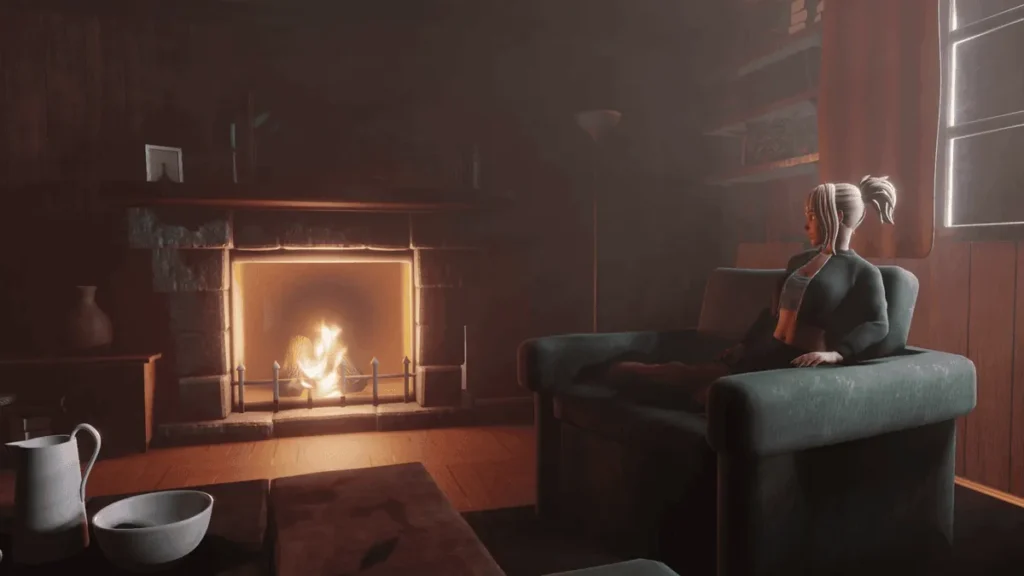
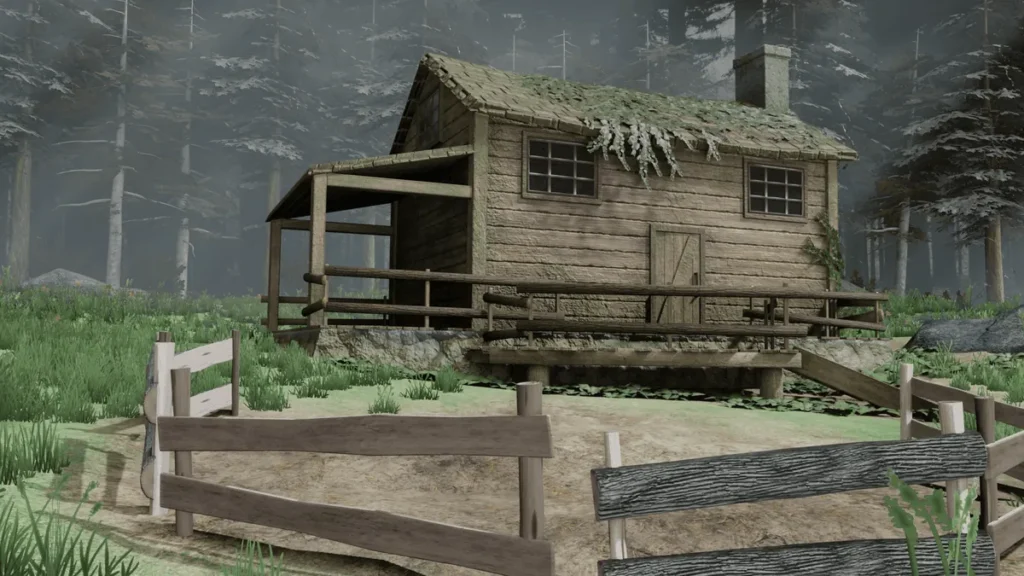
Mist review
Master the fog-shrouded world with strategic gameplay, character relationships, and atmospheric exploration
Mist stands out as a captivating survival mystery experience that blends atmospheric storytelling with engaging gameplay mechanics. Set in a world consumed by an unnatural fog, this game challenges players to navigate dangerous environments, encounter mysterious creatures, and build meaningful relationships with survivors. Whether you’re drawn to the intricate narrative, the strategic combat system, or the character-driven experience, Mist offers a unique combination of horror elements and interactive storytelling. This comprehensive guide explores everything you need to know about the game, from its core mechanics to character development and what makes it a standout title in its genre.
Core Gameplay Mechanics: What Makes Mist Unique
Let’s cut to the chase. In a world saturated with action-packed open worlds and lightning-fast competitive games, you might wonder what makes a slower-paced, turn-based adventure like Mist worth your time. The answer lies in its soul, woven directly into its Mist game mechanics. This isn’t just a game you play; it’s a world you learn to survive in, one deliberate decision at a time. At its heart are three interlocking pillars: a world that breathes through its fog, a combat system that rewards patience, and an exploration loop that makes you an active participant in unraveling the mystery. Let’s pull back the curtain on these Mist gameplay features.
The Dynamic Fog System: Your Greatest Challenge
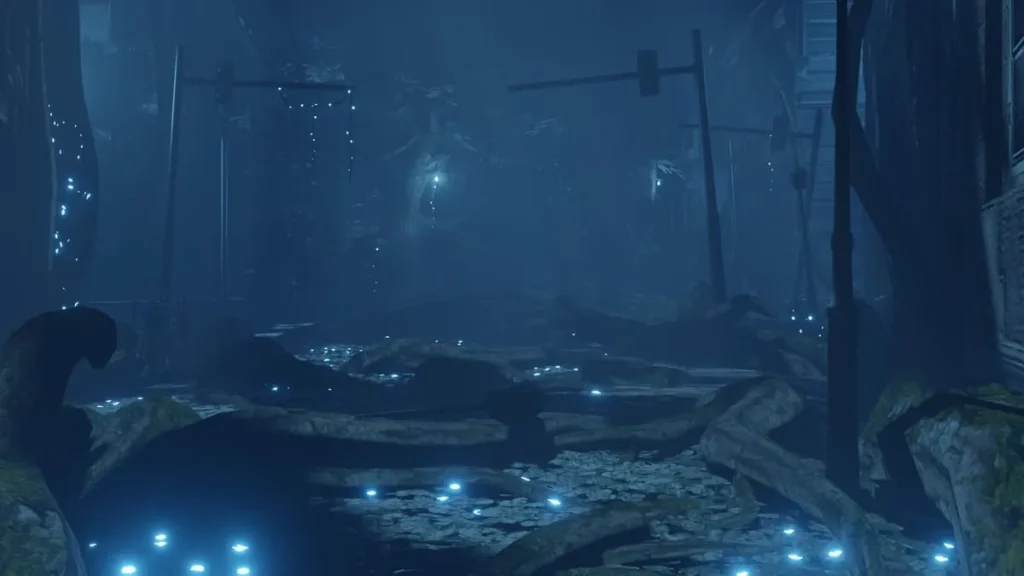
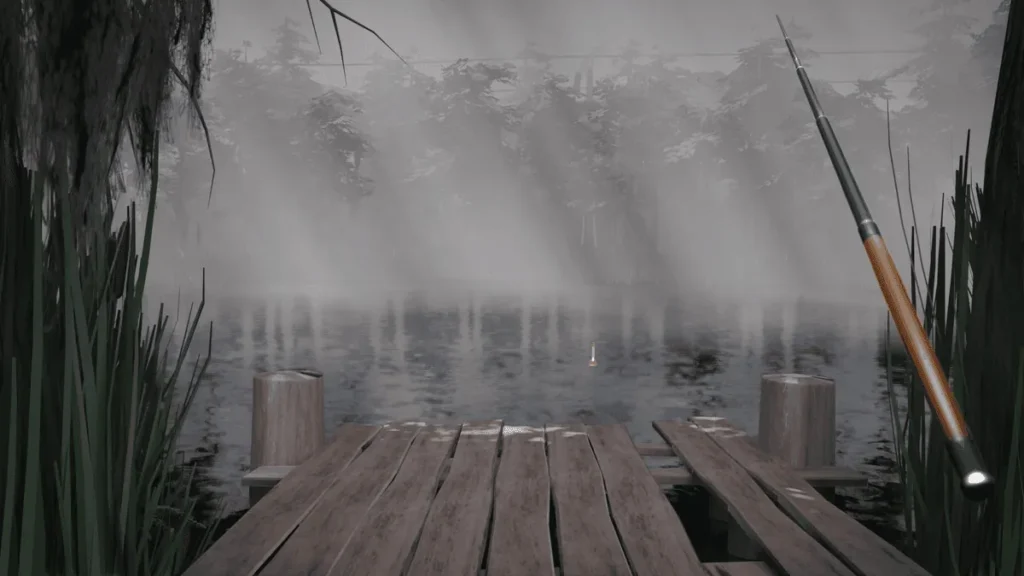
Forget static weather effects or pretty background visuals. In Mist, the fog is the world. The dynamic fog system gameplay is the single most groundbreaking and oppressive feature you’ll contend with. This isn’t just a blanket of grey; it’s a living, breathing entity with its own rhythms and rules. It thickens, recedes, shifts, and swirls based on in-game time, subtle weather patterns, and—most intriguingly—your own actions.
Picture this: I was cautiously navigating the Whispering Weald, an area I thought I knew well. The mist was a manageable, wispy veil, letting me see a fair distance. I solved a small puzzle, aligning a set of stones that hummed with a faint light. The moment the final stone clicked into place, a deep thrum echoed through the forest, and I watched in equal parts awe and horror as the fog around me began to churn and coalesce. Within minutes, my visibility dropped to mere feet. What was a safe path became a claustrophobic maze, and the soft sounds of the forest were replaced by the unsettling, closer-than-expected guttural moans of a Hollows creatures combat encounter I was now utterly unprepared for. The game had literally reacted to my progress.
This system directly dictates every aspect of play:
* Exploration: Planning your route is paramount. Moving through the “Veil-Threads” (thin, stable paths of lighter mist) is safer but longer. Braving the “Shroud” (dense, rolling banks) is a high-risk, high-reward shortcut that could lead to hidden areas or swift demise. You learn to read the environment—the way moss grows thicker on one side of a tree, or how ancient standing stones seem to repel the mist, creating temporary safe havens.
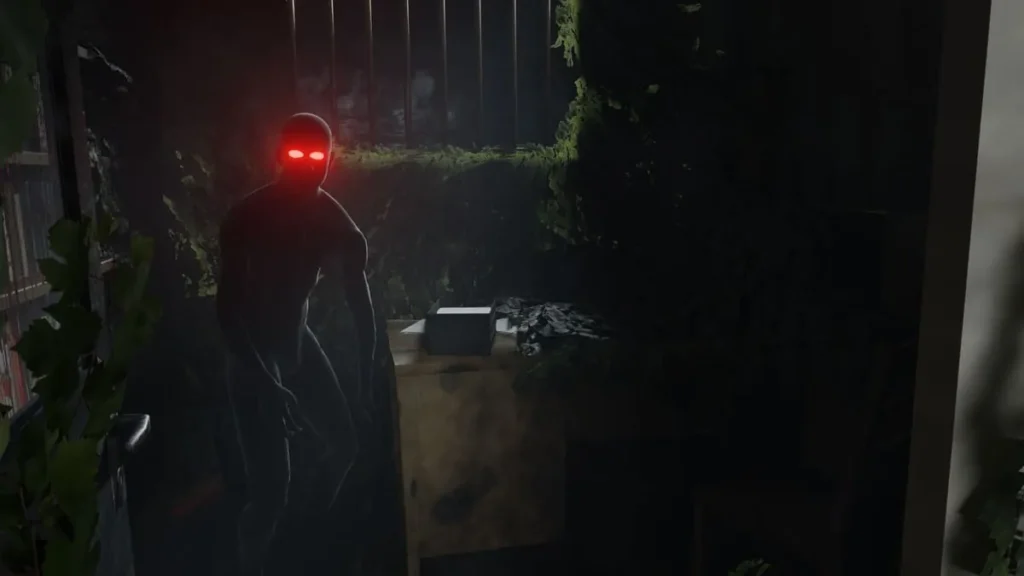
* Combat: Engaging a Hollow in dense fog is a tactical nightmare. Their forms are obscured, making it hard to tell a slow Brute from a quick Stalker until it’s too late. Conversely, using a rare “Zephyr Bell” item to temporarily thin the mist around you can turn the tide, revealing enemy positions and allowing for precise, powerful strikes. The fog doesn’t just set the mood; it’s a core turn-based combat strategy variable.
* Resource Gathering: Key alchemical plants and resonant crystals only emerge or become harvestable under specific fog conditions. The glowing “Mourning Bloom” might only open its petals during the “Crimson Dusk,” a brief period where the fog takes on a bloody hue. This forces you to sync your exploration with the world’s clock, not just your own.
Mastering this is your first and most important lesson. The world of Mist doesn’t care about your plans; it demands your respect and adaptation. This constant dance with the mist is the essence of the Mist exploration guide you need to write in your own mind.
Turn-Based Combat Strategy Against Mysterious Threats
When the mist parts and a corrupted figure shambles or darts into view, the game shifts to a different kind of tension. This is not a test of your reflexes, but of your wits, preparation, and understanding. The turn-based combat strategy in Mist is a deliberate, chess-like affair where every action carries weight. You’re not fighting monsters; you’re fighting former humans, now Hollows, consumed and twisted by the very fog you navigate. This adds a layer of tragic gravity to every encounter.
Combat operates on an initiative order displayed clearly at the top of the screen. Your small party and the Hollows take turns based on their speed. On your turn, you choose from three core actions for each character. Understanding this menu is crucial:
- Attack: Your basic physical strike. Reliable, but often less effective against tougher Hollows unless you target a weakness revealed through prior knowledge.
- Skill: This is where your character’s unique training shines. Skills can buff allies, debuff enemies, hit multiple foes, or exploit specific Hollow vulnerabilities. Using a “Piercing Glare” skill to lower a Stalker’s evasion before attacking is a classic opening move.
- Item: Managing your limited inventory is key. Do you use a precious Fog-Salve to cure “Shroud-Blindness” (a debuff that reduces accuracy) or save it? Throwing a Resonant Shard can interrupt a Hollow’s powerful charge-up attack.
My biggest early mistake was treating every fight like a stat-check. I’d just Attack, Attack, Attack. Then I faced a “Weeping Sentinel,” a Hollow that could create a protective fog shield for itself. My attacks did negligible damage. After a frustrating wipe, I returned, remembered its nature, and used a “Cleansing Wind” skill from my companion to dispel the shield first. The fight became trivial. The game had taught me: observation beats brute force every time.
This knowledge-based approach extends to progression. You don’t just gain “Strength +1” from leveling up. Growth comes from understanding. Studying a Hollow multiple times with a “Analyze” skill might permanently unlock a new combat maneuver for your character that exploits that Hollow’s specific weakness. Defeating a new type of enemy often grants “Echoes of Understanding,” which you use to activate ancient monoliths that teach your party new passive abilities. Your power is literally tied to your comprehension of the world and its threats. This deep integration makes mastering Hollows creatures combat a rewarding intellectual pursuit, not just a grind.
Exploration and Environmental Interaction
If combat is the punctuation, exploration is the language of Mist. This is a world that feels abandoned yet deeply reactive. Your journey is non-linear, guided by curiosity, clues, and the ever-present challenge of the fog. The Mist exploration guide you build in your head is based on listening, observing, and interacting.
The landscapes themselves evolve. Return to an area after a major story beat, and the fog density might have changed permanently, revealing new paths or sealing old ones. The flora and fauna react to your presence; bioluminescent fungi might retract into the ground as you approach, while mysterious, silent “Wisp” orbs float just at the edge of vision, sometimes leading to secrets, sometimes into ambushes.
Environmental puzzle solving is how you primarily interact with this forgotten world. This isn’t about block-pushing in a vacuum. Every puzzle is diegetic, a part of the world’s forgotten machinery:
- Rotating Ancient Mechanisms: Giant stone rings etched with forgotten symbols must be aligned to match faint spectral patterns visible only in certain fog conditions.
- Aligning Spectral Lenses: Shattered crystal lenses scattered across a chamber must be found and placed so that a beam of ethereal light connects them all, powering a dormant gateway.
- Using Collected Echoes: The “Echoes” you gather from key story moments and powerful Hollows are both currency and key. You’ll spend them to activate dormant artifacts, which might part a lake of fog or stabilize a crumbling bridge long enough to cross.
The sound design is your unsung guide. The mournful direction of the wind, the specific dripping of water in a cave, the changing intensity of a Hollow’s growl—all are critical audio cues. Wearing headphones isn’t a recommendation; it’s a requirement for serious play. You’ll often solve puzzles or avoid danger by sound alone, triangulating the source of a mysterious hum or hearing the distinct click of a hidden door unlocking somewhere in the impenetrable grey.
This loop of cautious exploration, intelligent puzzle-solving, and knowledge-based growth creates an atmosphere of profound immersion. You aren’t following a quest marker; you’re piecing together a ghost story from the environment itself, with the dynamic fog as both your greatest obstacle and the key to understanding everything.
To visualize how these three core pillars interconnect to create the unique experience of Mist, here’s a breakdown:
| Feature Category | Core Mechanics | Player Impact & Experience |
|---|---|---|
| Exploration & World | Dynamic Fog System, Reactive Environments, Audio-Based Navigation, Non-Linear Paths | Creates constant tension and adaptation. The world feels alive and hostile. Exploration is a purposeful, sensory-driven activity, not just running between points. |
| Puzzle-Solving | Diegetic Environmental Puzzles (Mechanisms, Lenses), Echo-Activated Artifacts, Knowledge-Gated Progress | Integrates progression seamlessly into the world’s lore. Environmental puzzle solving feels like uncovering secrets, not completing chores. Rewards observation and logic. |
| Character & Progression | Turn-Based Combat, Hollow Variety, Knowledge-Based Unlocks, Initiative & Action Economy | Fosters strategic, thoughtful engagement. Promotes learning and experimentation over level grinding. Every victory feels earned through understanding, making Hollows creatures combat deeply satisfying. |
Ultimately, the Mist game mechanics are a masterclass in holistic design. The dynamic fog isn’t separate from combat, and exploration isn’t separate from progression. They are threads in the same tapestry, creating a cohesive, atmospheric, and intellectually stimulating experience. To master the fog-shrouded world is to learn its rules, respect its dangers, and understand that your greatest tool isn’t a sword or a spell—it’s your attention. Your willingness to listen to the wind, study your foe, and think before you act is what will see you through. This is the true core of Mist’s gameplay, and what makes its haunting world so unforgettable.
Mist delivers a compelling experience that successfully merges survival gameplay with intimate character interactions and atmospheric storytelling. The game’s turn-based combat system, dynamic fog mechanics, and exploration elements create engaging challenges, while the character-driven narrative and relationship-building system provide emotional depth and replayability. Whether you’re navigating the Choking Expanse by sound alone, strategizing your next combat move, or uncovering Arin’s fractured memories, Mist offers a unique journey into a fog-shrouded world. The combination of thoughtful puzzle-solving, meaningful environmental interaction, and evolving content ensures that players always have new mysteries to uncover and relationships to develop. Dive into Mist today and discover what makes this survival mystery experience truly captivating—your adventure through the fog awaits.