Kingdom of Deception
Play Kingdom of Deception
Kingdom of Deception Screenshots
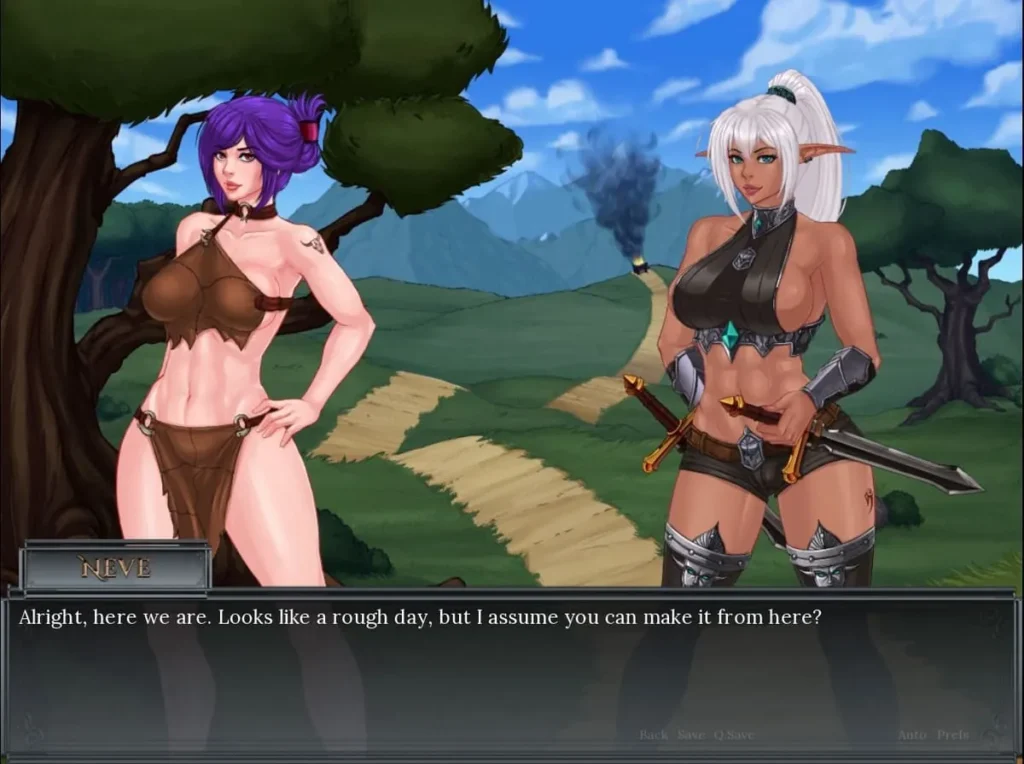
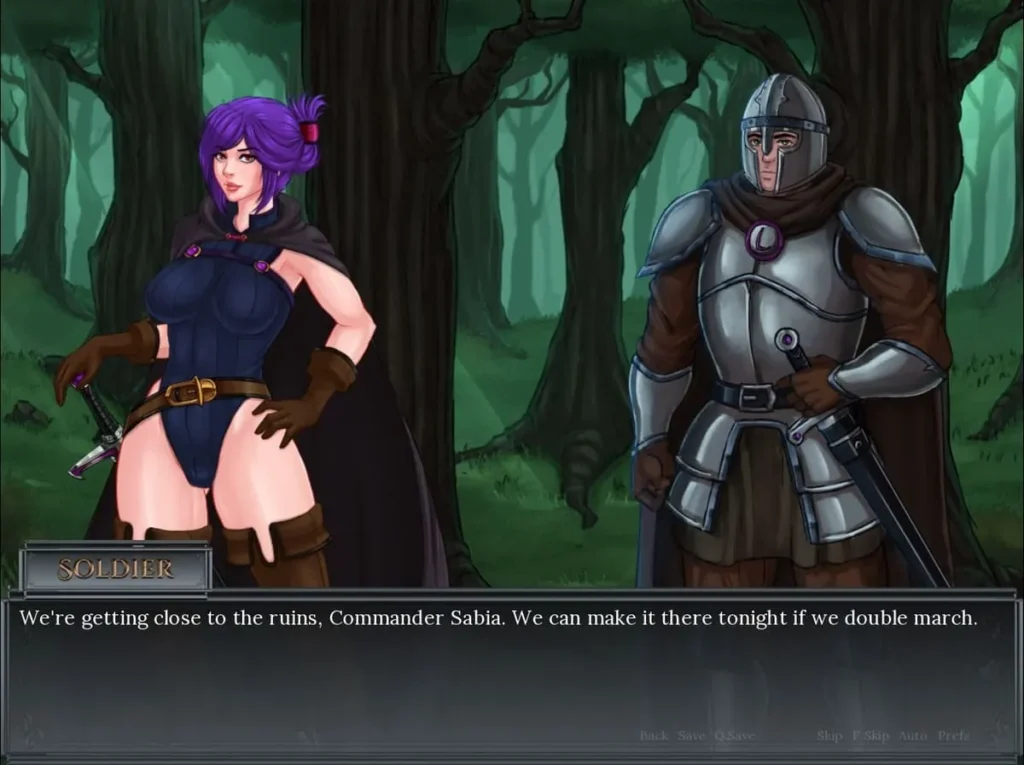
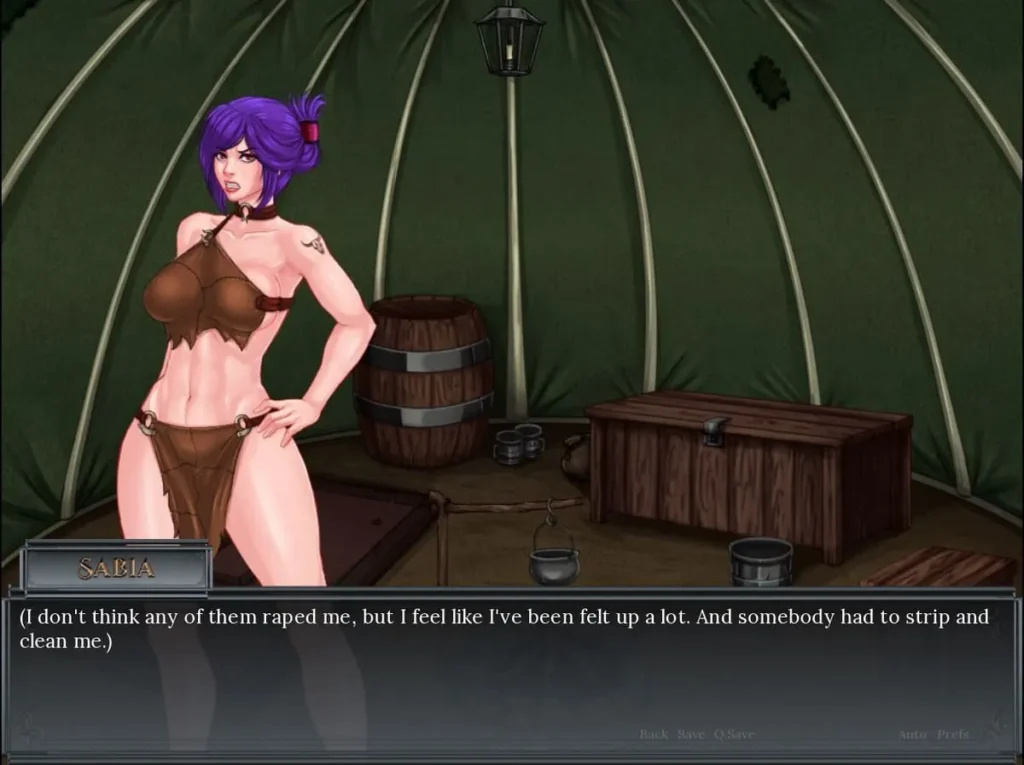
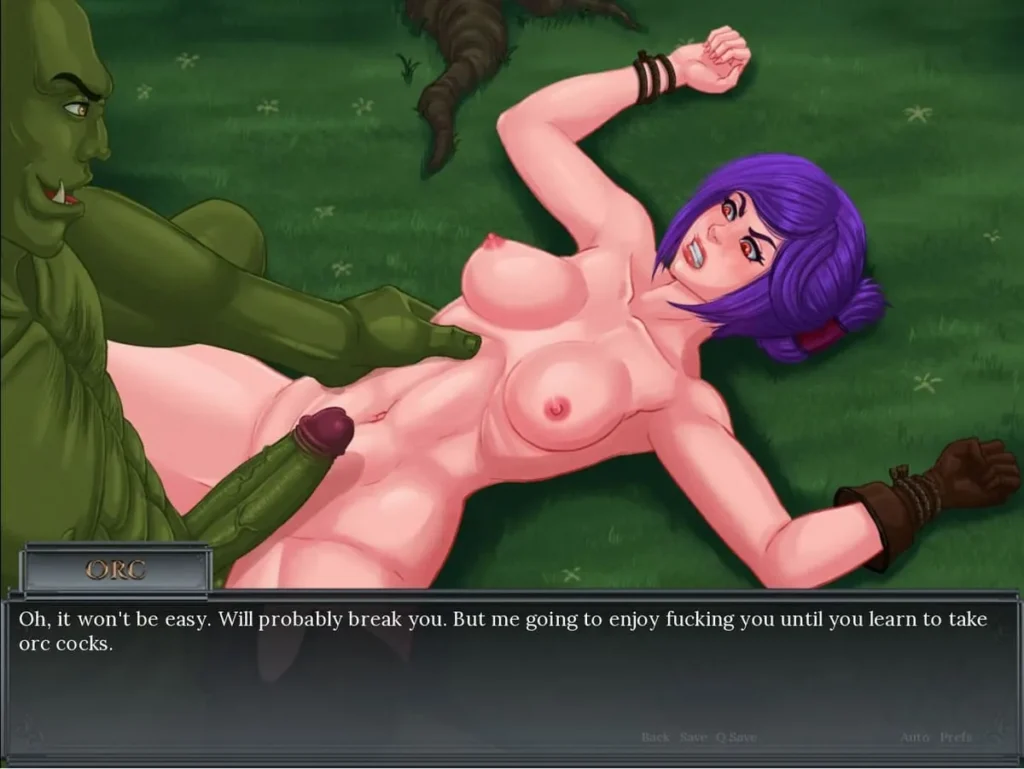
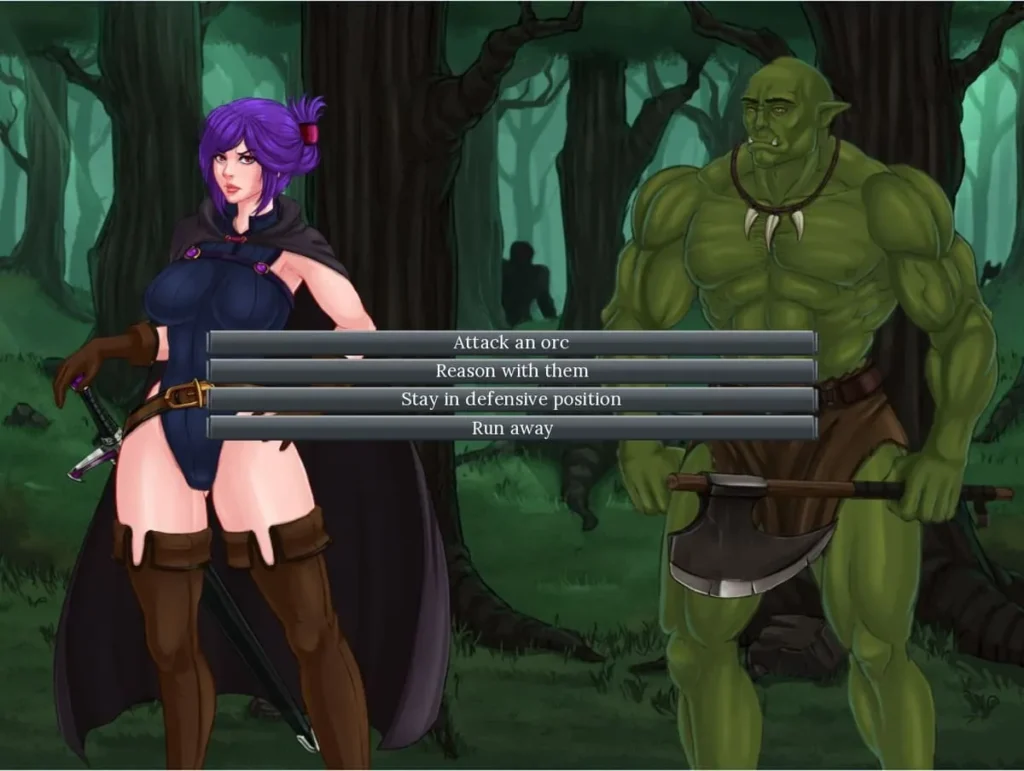
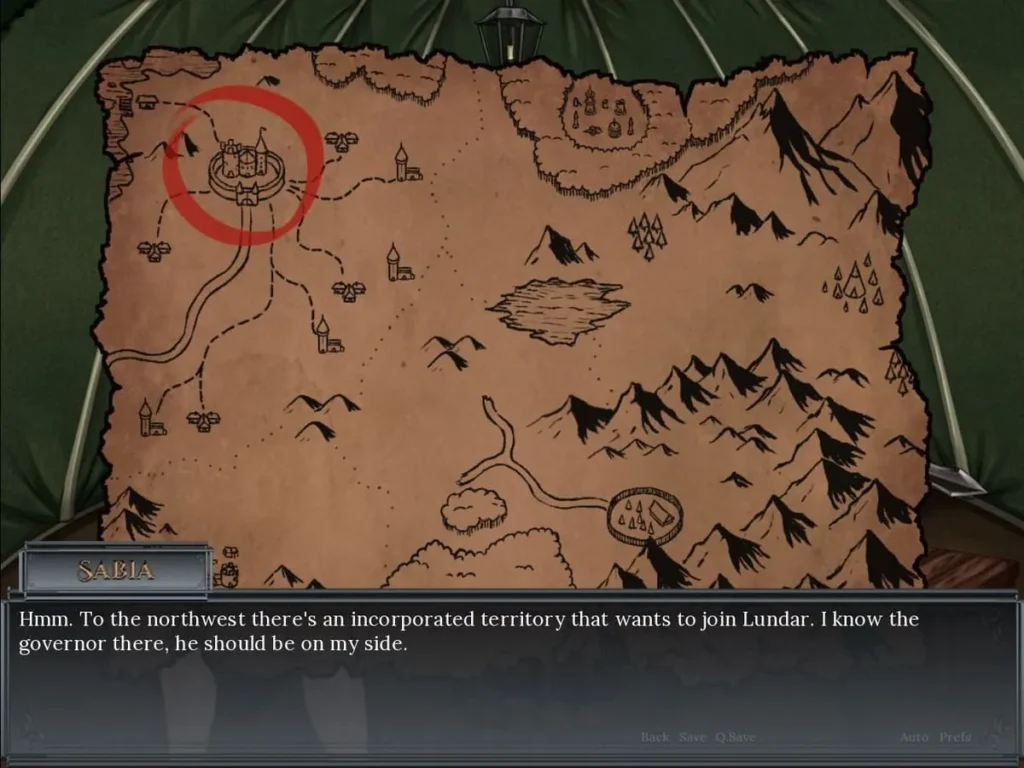
Kingdom of Deception review
Master gameplay mechanics, character interactions, and progression strategies
Kingdom of Deception is a narrative-driven game that combines character interaction mechanics with strategic progression systems. Players navigate a complex world filled with character relationships, resource management, and decision-making that impacts gameplay outcomes. This comprehensive guide covers essential mechanics, character interactions, progression strategies, and detailed walkthroughs to help both new and returning players maximize their experience. Whether you’re looking to understand core gameplay systems or seeking specific guidance on character branches and quest completion, this resource provides actionable insights and practical strategies for success.
Understanding Kingdom of Deception Core Mechanics
Welcome to the deceptive heart of the realm! 🎮 If you’ve just stepped into the intricate world of Kingdom of Deception, you might feel a bit overwhelmed. I know I was. On my first playthrough, I thought I could charm everyone and hoard all the gold without consequence. Let’s just say my character ended up alone, broke, and constantly running from monsters he wasn’t prepared to fight. 😅 This chapter is your lifeline. We’re breaking down the essential Kingdom of Deception gameplay mechanics that transform you from a confused newcomer into a master strategist. Understanding these core systems isn’t just helpful—it’s the difference between flourishing and floundering in a kingdom where every smile can hide a dagger.
At its core, this game is a beautiful, complex dance of social maneuvering and resourceful survival. Every choice, from a casual compliment to how you spend your last gold coin, ripples through your experience. We’ll explore the three pillars that hold up your entire adventure: the deep character interaction systems, the crucial resource management guide, and the branching Kingdom of Deception progression. Master these, and you’ll be pulling the strings of the kingdom in no time.
Character Interaction Systems and Relationship Building
Forget simple good/evil dialogue sliders. The character interaction systems in Kingdom of Deception are a living, breathing web of personalities, memories, and shifting loyalties. This isn’t about clicking through text; it’s about building a reputation. Every character you meet has their own desires, secrets, and a long memory for your actions.
The primary engine here is the Trust mechanic. Think of Trust as a hidden score that fluctuates based on everything you do. Completing a character’s personal quests, choosing dialogue options that align with their worldview, and giving them gifts they genuinely like will raise their Trust. Lie to them, fail their tasks, or act against their interests, and you’ll see that Trust plummet. 🫂
Pro Tip from My Failed Run: I once promised to help the blacksmith find a rare ore, but got distracted by a more lucrative quest. When I returned days later, not only was he furious (Trust nosedive!), but he also charged me double for gear repairs. The game remembers.
This is where relationship building mechanics get fascinating. High Trust unlocks new dialogue branches, reveals personal backstory quests, and can even lead to unique companion abilities or discounts in shops. Some characters might share crucial information about political plots, while others could offer you a safe haven if you’re in trouble with the guards. The system demands authenticity—you can’t be everyone’s best friend, as aligning with one faction often lowers your standing with another.
The gift system is your most tangible tool for nurturing these bonds. Each character has personal preferences. A Totoro plush toy might delight a nostalgic artisan but earn a confused shrug from a hardened soldier. Pay attention to their dialogue for clues! Giving a well-chosen gift at the right moment (like after helping them) creates a massive Trust boost. It’s a direct, actionable way to invest in your social capital.
Resource Management and Currency Systems
You can’t charm your way through every problem—sometimes you need cold, hard resources. The currency and item systems form the gritty, practical backbone of your survival and advancement. Mismanage this, and you’ll find yourself unable to buy a healing potion or a decent gift when you desperately need one.
The main currency is Gold. It’s the lifeblood of commerce, used for everything from purchasing weapons and armor to buying gifts and bribing informants. But gold doesn’t grow on trees (usually!). You’ll need to earn it through:
* Quests: The most reliable source, especially main story and faction missions.
* Farming Resources: Gathering herbs, mining ore, or chopping wood to sell to vendors.
* Combat: Defeating monsters and selling their loot.
* Crafting: Turning basic materials into more valuable items for sale.
Then come the items. Your inventory is a toolkit for every scenario:
* Panties & Gifts: 🎁 Primarily used in the relationship building mechanics. Rare or favorite gifts are incredibly valuable for boosting Trust.
* Potions: Your combat lifeline. HP potions restore health, while other concoctions might boost your attack or provide temporary resistances. Never venture into a new area without a few!
* Materials: Herbs, ores, fabrics, and monster parts used for crafting better gear, potions, or special gifts.
Balancing your time is the real game. Spend all day farming gold, and your relationships stagnate. Spend all your time socializing, and you’ll be under-equipped for the next story battle. A good rule of thumb is to dedicate specific in-game days to specific activities. For example, use a sunny “Day” cycle to gather materials in the forest, and a rainy “Evening” to visit the tavern and socialize over drinks. 🍂☀️
Here’s a quick reference table for where to find what you need:
| Resource | Primary Acquisition Method | Key Locations | Tips & Requirements |
|---|---|---|---|
| Gold | Quest Completion, Selling Items | Tavern (Job Board), Merchant Square, Faction HQs | Check the job board each morning. Higher-risk quests offer better pay. |
| Common Herbs (Potion Making) | Gathering | Whispering Woods, Riverside Paths | Available during Day cycle. A basic sickle improves yield. |
| Ore & Metal | Mining | Old Mountain Mine, Cragfoot Gully | Requires a pickaxe. Mine is safer by day; monsters appear at night. |
| Monster Loot (Crafting/Sale) | Combat | Forest Depths, Abandoned Ruins, Night-time maps | Different monsters drop different parts. Prepare with potions! |
| Favorite Gifts (e.g., Totoro Plush) | Purchase, Special Quests, Crafting | Toymaker’s Shop, Hidden Treasure Chests | Listen to character dialogue for hints. Some are only craftable with rare recipes. |
Progression Pathways and Decision-Making Impact
This is where Kingdom of Deception truly shines. Your Kingdom of Deception progression is not a straight line—it’s a sprawling tree with branches that grow in the direction you nurture. The decision-making impact gameplay is profound and often irreversible, locking and unlocking entire story arcs based on choices both big and small.
The game operates on a Day/Evening cycle that structures your freedom. 🌞🌜 During the Day, the world is open for active work: questing, farming resources, exploring new areas, and shopping. Evening often shifts the focus to social and personal activities: visiting characters in their homes, attending faction meetings, or crafting at your hearth. Some story events and quests are only available at specific times, so plan accordingly!
Your progression pathways are defined by several key factors:
1. Faction Allegiance: Early on, you’ll be pressured to align with one of the kingdom’s major powers. This major choice will define which quests you receive, which characters become allies or enemies, and even the ending you can achieve.
2. Combat & Preparation: Combat is risky but often unavoidable. The key isn’t just button-mashing; it’s preparation. Before entering a known monster area, ensure you have:
* Several HP potions.
* Weapons and armor repaired or upgraded.
* Any combat-boosting items or food.
* A clear objective—don’t overstay your welcome!
3. Story Branches: Almost every significant dialogue choice and quest resolution can bend your story’s path. A seemingly minor decision in Act I, like sparing a thief, could lead to that same thief offering you a critical aid in Act III.
Let me give you a concrete example from my second, more successful playthrough. In the first hour, you’re asked to settle a dispute between a merchant and a struggling farmer over a stolen shipment. You have three clear options:
* Side with the Merchant: You earn immediate gold and his Trust, but the farmer’s family despises you, locking you out of future quests involving the farmlands.
* Side with the Farmer: You gain no gold but earn the gratitude of the local commoners, unlocking unique gathering spots and information networks later.
* Find a Compromise: This requires passing a persuasion check (based on your social stats) and investing some of your own starting gold to cover part of the loss. It’s costly upfront but raises Trust with both parties moderately.
I chose the compromise. It hurt my wallet early on, but that farmer later tipped me off about a hidden cave full of ore, and the merchant gave me a permanent discount. This is the decision-making impact gameplay in a nutshell—short-term sacrifice for long-term, multifaceted gain.
To get you started on the right foot, here is your essential early-game checklist:
- Day 1-3: Focus on introductory quests and meet every major character in the central town. Don’t commit to a faction yet!
- First Investment: Spend your initial gold on a better gathering tool (pickaxe or sickle) and a few HP potions. This pays for itself quickly.
- Gift Experimentation: Give one common gift to two different characters. Note their reactions closely to start learning preferences.
- Establish a Routine: Dedicate one full in-game day to resource farming to build a stockpile. Use the following evening to visit two characters and work on their Trust.
- Save Before Major Choices: The game encourages living with consequences, but when you see a major dialogue prompt with faction implications, create a save file. It lets you experience different branches.
- Never Ignore Crafting: Even basic crafted potions sell for more than the raw herbs. It’s the easiest way to multiply the value of your farming time.
Mastering the Kingdom of Deception gameplay mechanics is about seeing the connections. That potion you crafted from foraged herbs saves you gold on health items, which lets you spend gold on a perfect gift, which boosts a character’s Trust, who then gives you a quest reward of rare ore, which you use to craft a better sword. Every system feeds into another. Your journey is uniquely yours, woven from the threads of conversation, commerce, and consequence. Now, go out there and build your legacy—just watch your back. 👑✨
Kingdom of Deception offers a rich gameplay experience combining character relationships, strategic decision-making, and resource management. By understanding core mechanics, following detailed character branch walkthroughs, and implementing advanced optimization strategies, players can fully explore the game’s content and unlock all available paths. Whether you’re a new player learning the basics or an experienced gamer seeking to maximize efficiency, these comprehensive guides provide the knowledge needed to succeed. Start with the fundamentals, progress through character branches at your own pace, and use advanced strategies to enhance your overall experience. Dive into Kingdom of Deception today and discover the depth of gameplay and storytelling this title has to offer.