Imperium Bureaucracy Hero
Play Imperium Bureaucracy Hero
Imperium Bureaucracy Hero Screenshots
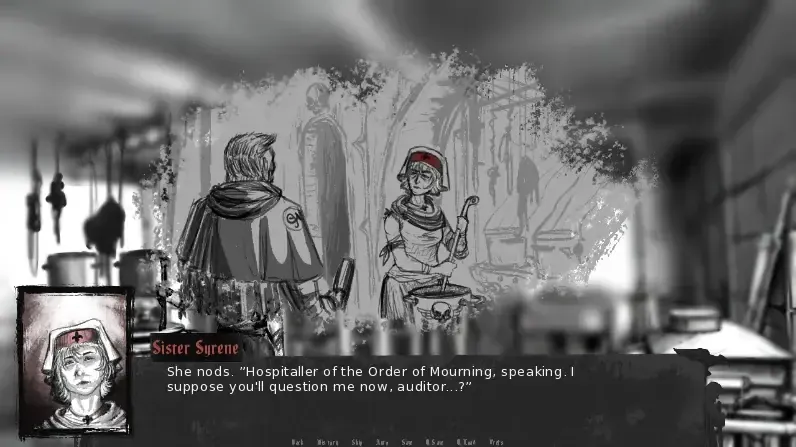
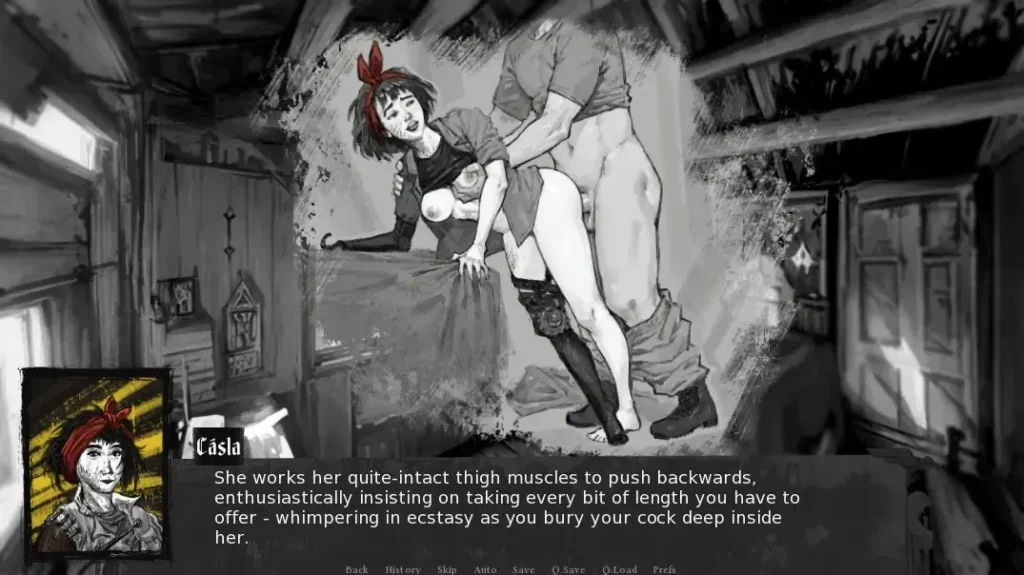
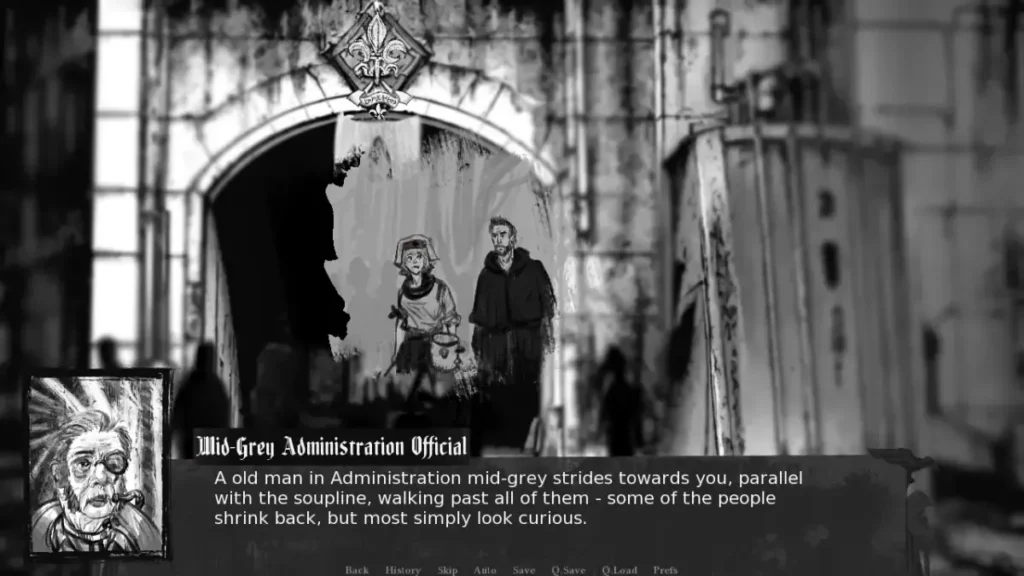
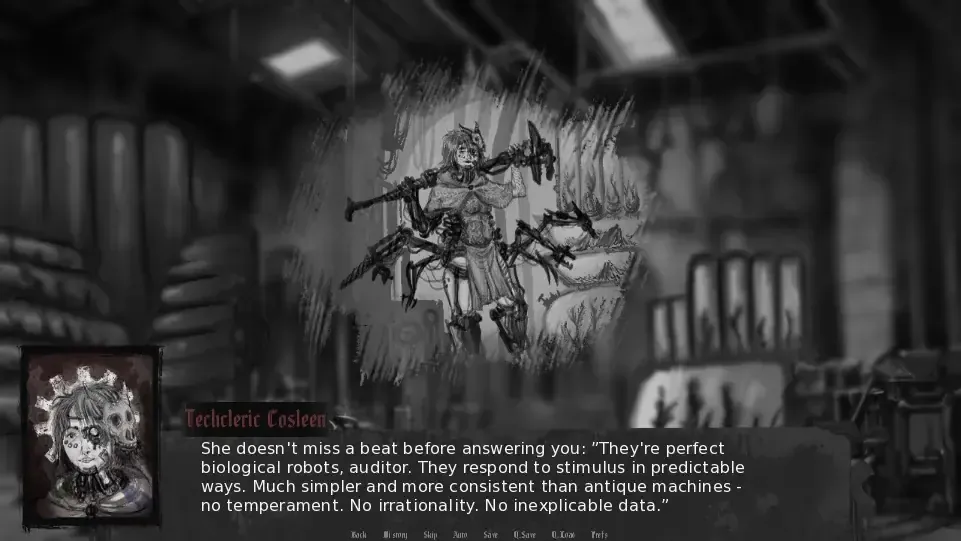
Imperium Bureaucracy Hero review
Exploring gameplay mechanics, narrative depth, and what makes this indie title stand out
Imperium Bureaucracy Hero has garnered significant attention in the indie gaming community for its unique blend of narrative-driven gameplay and strategic decision-making. Inspired by the expansive world of Warhammer 40K, this game places players in the role of a bureaucrat navigating complex administrative systems while managing moral dilemmas and resource allocation. The game’s exceptional writing and character interactions have resonated with players seeking meaningful storytelling experiences. Whether you’re interested in understanding the core mechanics, exploring character relationships, or discovering what sets this title apart from other indie games, this guide provides an in-depth look at what makes Imperium Bureaucracy Hero a compelling gaming experience.
Understanding Imperium Bureaucracy Hero’s Core Gameplay and Mechanics
Forget everything you think you know about saving the galaxy. 🪐 In most games, you’re the hero with a chainsword, blasting through hordes of enemies. But what if the real battle wasn’t on the war-torn front lines, but in a dusty, data-clogged office? This is the brilliant, subversive premise of Imperium Bureaucracy Hero gameplay. You don’t wield a bolter; you wield a rubber stamp. Your battlefield is a desk piled with requisition forms, and your greatest enemy is the relentless, soul-crushing weight of imperial paperwork. This shift in perspective is what makes the bureaucratic role-playing game mechanics here so refreshingly unique and deeply engaging.
It’s a game that asks a profound question: how do you maintain your humanity while being a cog in the most inhuman machine imaginable? Your choices aren’t about which alien to shoot next, but which suffering population gets the scarce resources to survive another day. This creates a tension that is both strategic and deeply personal, forging a connection to the world that few other games achieve. Let’s peel back the layers of red tape and explore what makes this indie title a masterpiece of administrative angst and moral complexity.
What Makes the Bureaucratic Role-Playing Experience Unique
At its heart, Imperium Bureaucracy Hero is a game about power—but not the kind you’re used to. Your power is indirect, slow, and mired in procedure. You play a mid-level administratum clerk on a struggling imperial world, and your goal isn’t conquest, but mere survival and, perhaps, a sliver of efficiency. The core gameplay loop is a deliciously tense juggling act of resource management gameplay, where the resources aren’t ammunition and credits, but Food, Medical Supplies, Munitions, and Morale.
You’ll spend your days reviewing petitions, allocating these vital supplies to different sectors, and dealing with a constant stream of NPCs who need your signature. A Munitorum officer needs more bullets for the front, a Ecclesiarchy representative demands food for the faithful, and a sanitation foreman begs for basic medical kits. You can’t satisfy everyone. This is where the bureaucratic role-playing game mechanics shine: your toolset is composed of stamps (“Approved,” “Denied,” “Pending Review”), routing slips, and the ability to fast-track or bury a request in the system.
I remember one early game session where I was feeling clever. I had a stack of munitions requests from a regiment that seemed to be under constant, heavy assault. The numbers didn’t add up; their reported expenditure was astronomically high. The traditional “hero” move might be to grant their request to support the troops. But buried in a related personnel file was a note about that regiment’s commander being investigated for selling supplies on the black market. Denying the request and flagging it for audit felt like a tiny, quiet victory for justice—a victory no space marine could ever achieve. This is the unique thrill the game offers: the drama of discovery and consequence happens in the margins of reports, not in explosions.
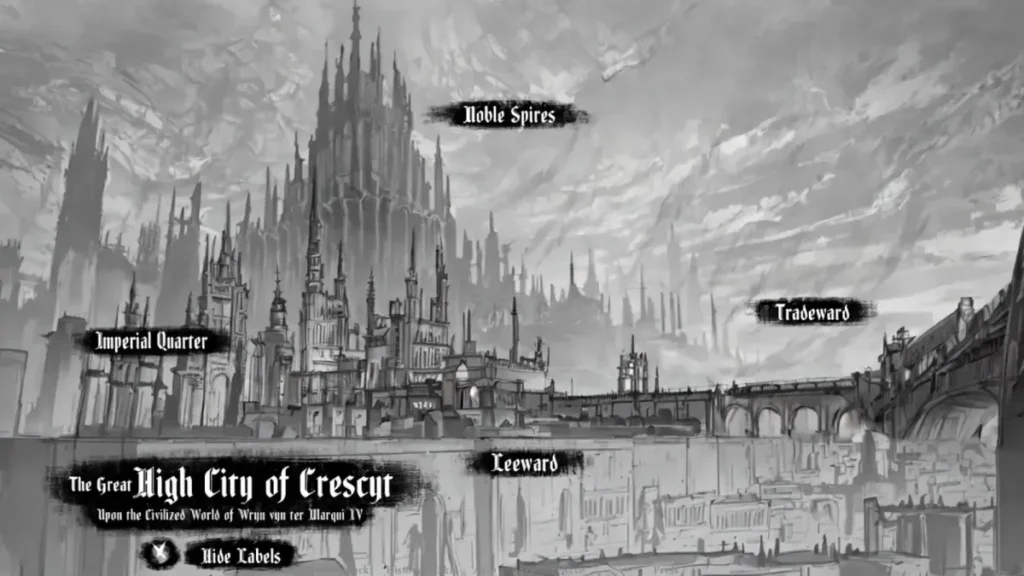
The setting, heavily inspired by the grimdark universe of Warhammer 40K inspired games, is crucial. It provides the perfect backdrop for this kind of drama. You’re not in a noblebright fantasy; you’re in a galaxy where human life is the cheapest commodity, dogma is law, and failure means everything from a demotion to a firing squad. Your administrative decisions directly support this terrifying, monolithic regime. Do you become the perfect, heartless cog, or do you risk heresy by showing compassion? The game doesn’t judge, but the system you serve certainly will.
Decision-Making Systems and Moral Consequences
This is where Imperium Bureaucracy Hero truly separates itself from the pack. The moral decision-making in games here isn’t about choosing between a clearly “good” or “evil” dialogue option. It’s about navigating an ocean of grey, where every choice has a logistical cost and an ethical weight. The game presents you with dilemmas where there are no winners, only varying degrees of loss.
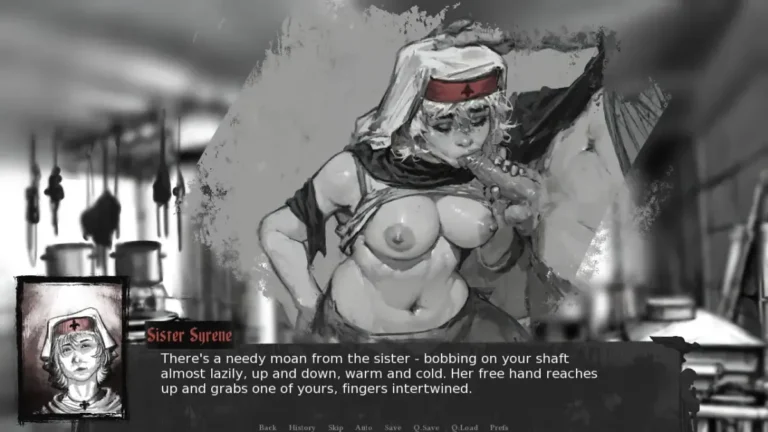
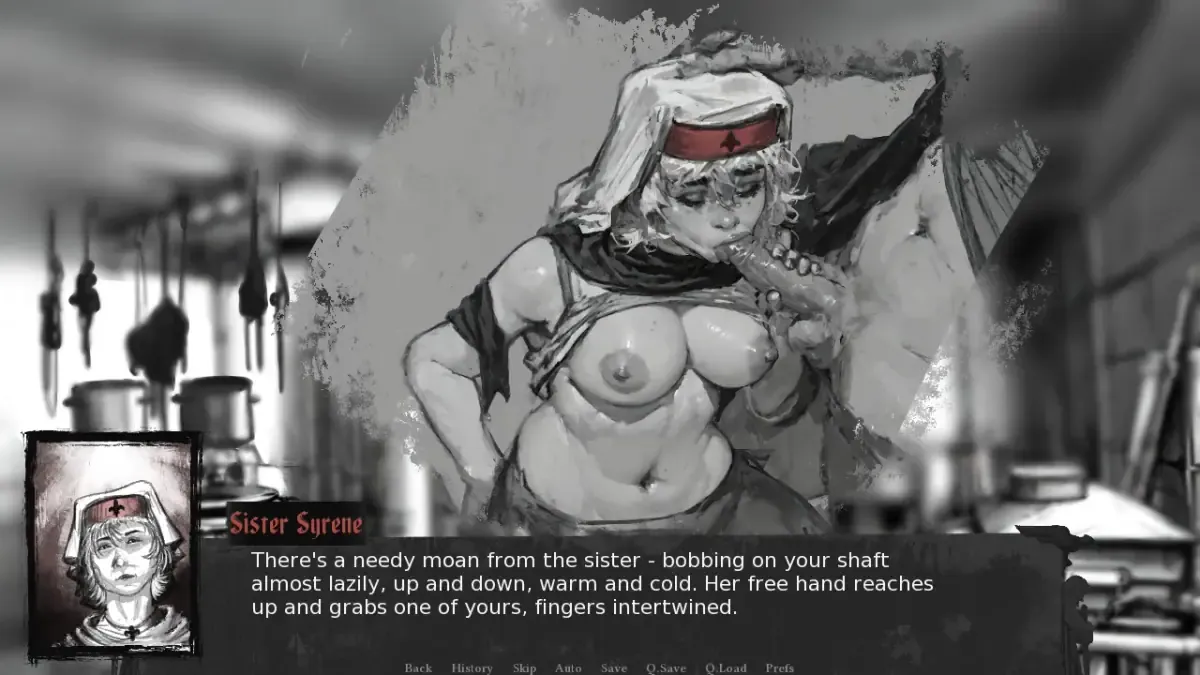
Let’s walk through the scenario everyone talks about, because it perfectly encapsulates this system. A Sister of the Adepta Sororitas—a battle nun—comes to your office. Her convent is starving, cut off from supplies. She needs a food allocation, but her paperwork is incomplete, lost in the war. She has nothing official to offer… except herself. She implies that personal favors can be arranged in exchange for your stamp of approval. 😳
What do you do?
* Option A: Approve the Request (The “Compassionate” Heretic): You bypass procedure, get food to starving nuns, and save lives. However, you’ve broken imperial law, engaged in corruption, and now have a powerful person in your debt (or holding a secret over you). Your character’s “Morale” might rise from doing a good deed, but your “Risk of Exposure” metric will skyrocket.
* Option B: Deny the Request (The “Lawful” Monster): You uphold the sacred paperwork. No food is sent. The convent may starve or be overrun. You’ve done your duty flawlessly, but your Morale plummets. You might also make a powerful enemy in the Sisterhood.
* Option C: Route for Review (The “Bureaucrat’s” Choice): You stick to the process, kicking the can down the hall. It delays the decision, maybe allowing time for the Sister to find her paperwork, or for the convent to fall. It keeps your hands clean in the short term but solves nothing.
There is no “right” answer. Each path branches into new narrative and gameplay consequences. Will that Sister return later as an ally or an inquisitor? Will your department’s efficiency rating drop because you spent time on an “irregular” case? This is moral decision-making in games at its finest—it’s not about picking a karma score, it’s about living with the realistic, often delayed, outcomes of impossible choices.
These dilemmas are the engine of the indie game narrative choices. Your story isn’t pre-written; it’s assembled from the debris of your decisions. The game tracks hidden relationship scores, faction reputations, and internal metrics like your clerk’s Stress and Cynicism. Helping the underdog might earn you a loyal informant in the lower hive. Constantly favoring the military might get you a promotion, but turn the civilian sectors against you, leading to riots that drain your resources even faster.
“The most terrifying weapon in the Imperium isn’t a virus bomb; it’s a triplicate form signed in the wrong color ink.” This quote, scrawled on a note in your desk drawer, sums up the pervasive dread. Your Imperium Bureaucracy Hero gameplay is a constant assessment of cost versus conscience.
Character Interactions and Relationship Building
While paperwork is your interface with the world, people are your interface with the story. The character relationship system in Imperium Bureaucracy Hero is deceptively deep. You don’t have long, branching dialogue trees. Instead, relationships are built (or destroyed) through actions: the decisions you make on their requests, the resources you allocate to their sectors, and the small favors you choose to perform or ignore.
Every character is a piece of the larger bureaucratic machine, and each has their own agenda, fears, and secrets. Building a relationship isn’t just about making them “like” you; it’s about creating leverage, mutual understanding, or a fragile web of obligation. This system ensures that every interaction in your office feels significant.
Here are some of the key character archetypes you’ll negotiate with and how the character relationship system works with them:
| Character Type | Their Agenda & Mechanics | Relationship Builders | Potential Consequences |
|---|---|---|---|
| The Munitorum Officer 🪖 | Needs constant munitions and men. Cares only for the war effort. Relationship is measured in “Logistical Support.” | Approve arms shipments, fast-track troop transfers. Deny civilian requests to free up resources. | High support may give you military protection or warnings of upcoming attacks. Low support may lead to them commandeering your resources. |
| The Ecclesiarchy Preacher ⛪ | Demands resources for the faithful and reports of heresy. Cares about Morale and doctrinal purity. Tracked via “Piety” score. | Allocate food to shrine-worlds, investigate “suspicious” cases they flag, attend sermons. | High Piety can quell unrest and improve sector Morale. Low Piety can get you branded a heretic or incite fanatical riots. |
| The Hive World Representative 🏙️ | Fights for the starving, overcrowded masses. Focused on Food and Medical supplies. Relationship is “Popular Support.” | Divert resources from military to civilian sectors, ignore minor infractions in hunger-riots. | High Popular Support provides tips and slows civil decay. Low Support leads to widespread unrest, crippling your entire operation. |
| The Adeptus Arbites Enforcer ⚖️ | Wants order above all. Submits requests for patrols and prison upkeep. Measures “Jurisdictional Respect.” | Grant authority expansions, approve harsh penal measures, cooperate with investigations. | High Respect means they handle problems before they reach you. Low Respect means crime spirals, and they may even investigate YOU. |
| The Rogue Trader 🚀 | Offers rare off-world goods in exchange for official permits and “looked-the-other-way” favors. A pure “Transactional” relationship. | Sign questionable export licenses, grant docking rights to shady vessels. | Can provide unique resources or information no one else can. Risks major corruption scandals and attracting the Inquisition’s gaze. |
These relationships are fluid. That Munitorum officer you’ve been supporting might get transferred, replaced by a by-the-book newcomer who distrusts you. The preacher you ignored might be promoted, becoming a direct superior. The beauty of the indie game narrative choices is how they weave these professional connections into a personal tapestry. You might start seeing the Hive Representative not as a nag, but as a desperate father trying to feed his block. Or you might see the Rogue Trader as the only pragmatic soul in a galaxy of fools.
This character relationship system is the soul of the resource management gameplay. It turns cold allocation decisions into emotional conflicts. Denying the Preacher his medical supplies isn’t just a number going down; it’s watching his face harden with pious disappointment. Approving the Rogue Trader’s permit isn’t just a button click; it’s a secret handshake that could come back to haunt you. This fusion of strategic management and deep narrative immersion is the alchemy that makes Imperium Bureaucracy Hero stand out.
It proves that you don’t need epic battles to create epic stories. Sometimes, the most gripping conflict is between a person, their conscience, and a mountain of paperwork that could condemn a world with a single, tired signature. It’s a triumph of writing, design, and sheer boldness—a must-play for anyone who believes games can make you think and feel in entirely new ways. ✍️🔥
Imperium Bureaucracy Hero stands out as a remarkable indie title that prioritizes narrative excellence and meaningful player agency. The game’s strength lies in its ability to present complex moral scenarios within an administrative framework, forcing players to confront the human cost of bureaucratic decisions. The exceptional writing quality, combined with a robust character interaction system and consequences-driven gameplay, creates an experience that resonates with players seeking depth beyond traditional gaming narratives. The Warhammer 40K inspiration provides a rich thematic backdrop that enhances world-building without overshadowing the intimate personal stories at the game’s core. For those interested in narrative-driven indie games that challenge conventional gameplay expectations, Imperium Bureaucracy Hero offers a compelling and thought-provoking experience that lingers long after completion.