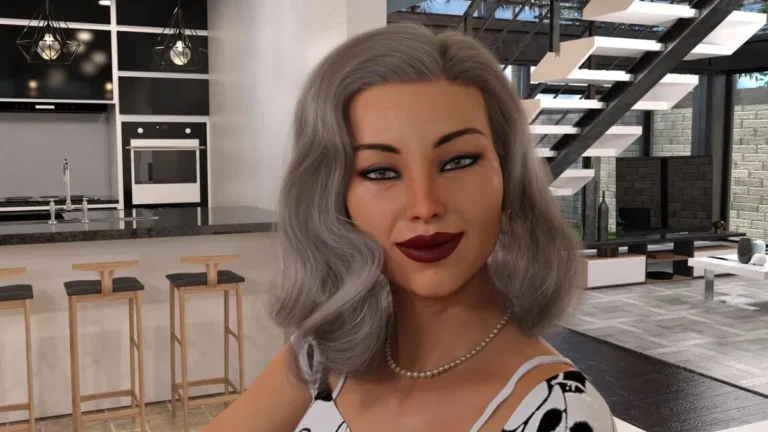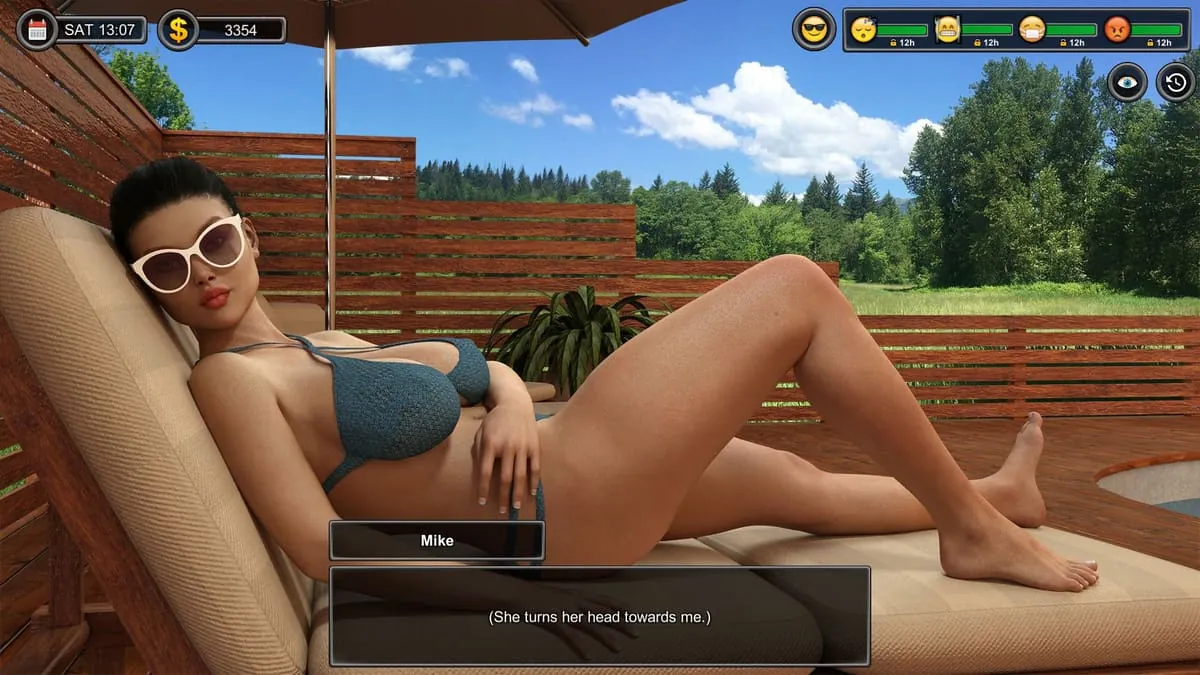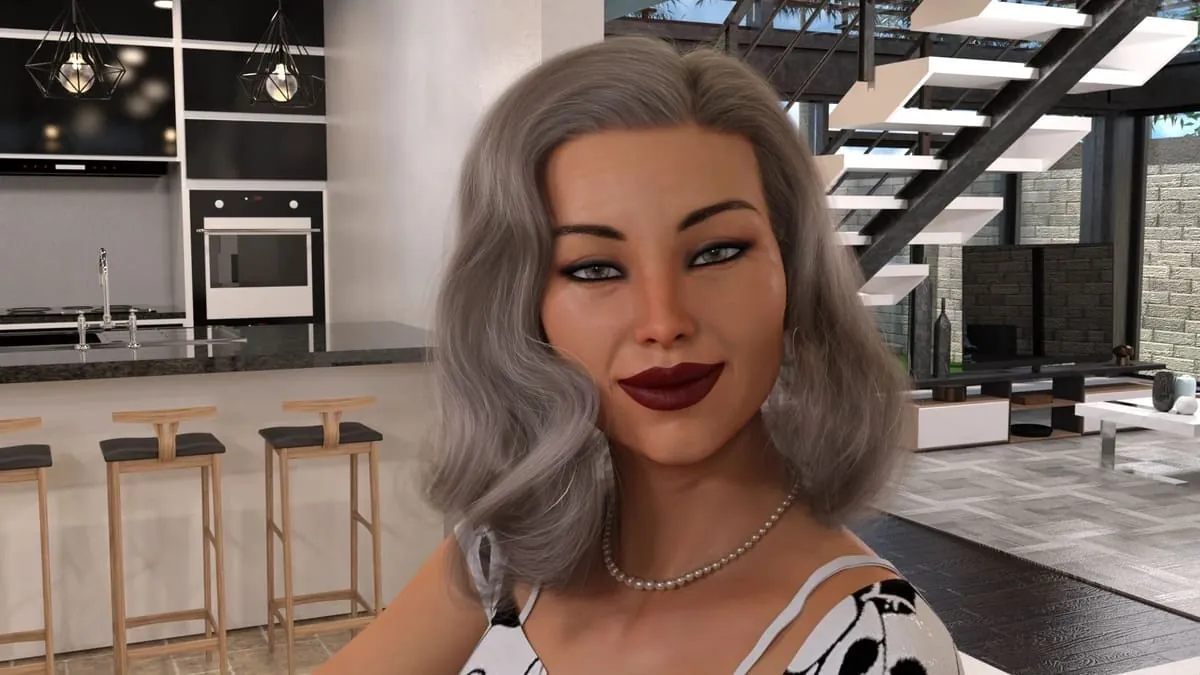
Grandma’s House
Play Grandma’s House
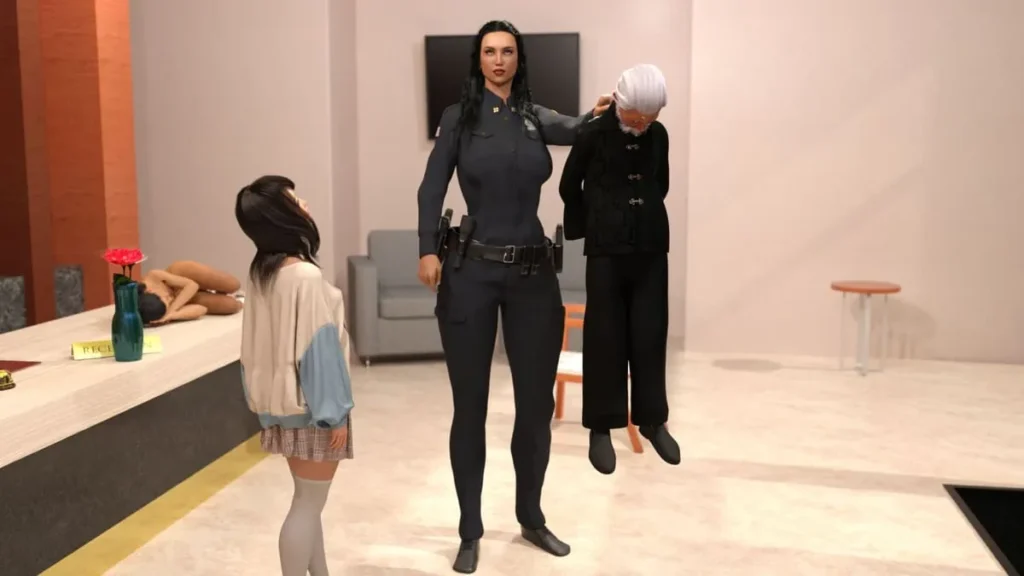
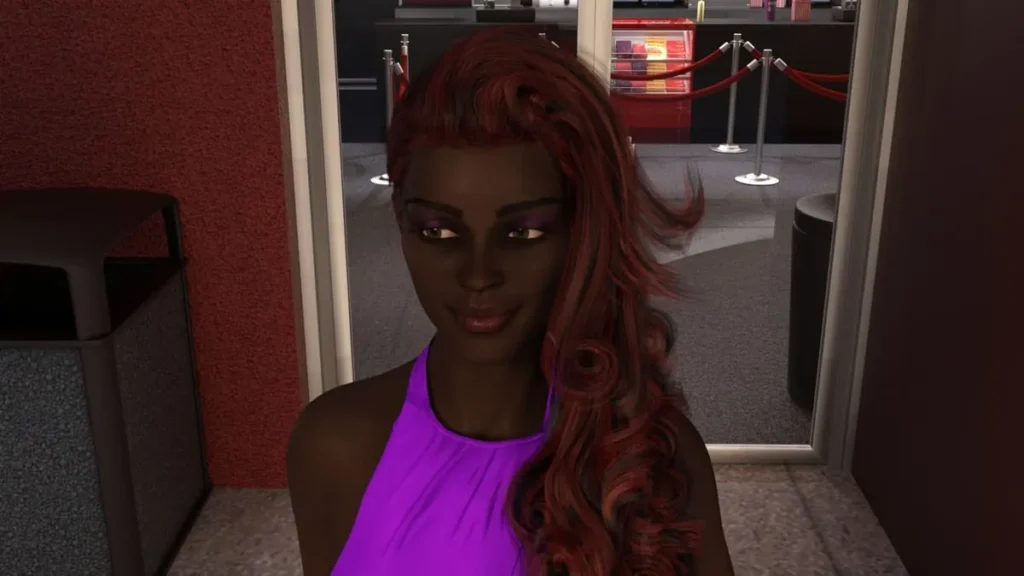
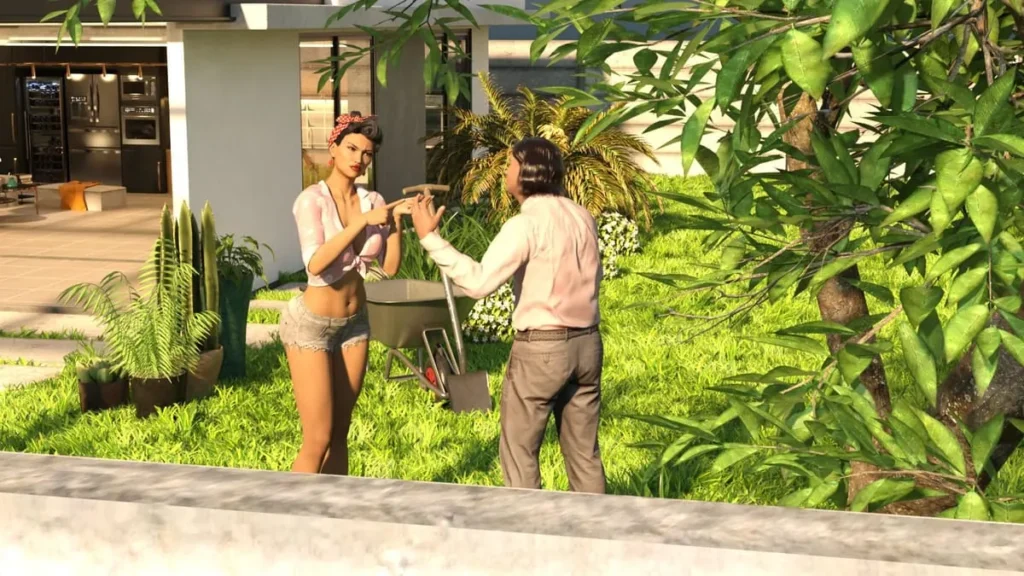
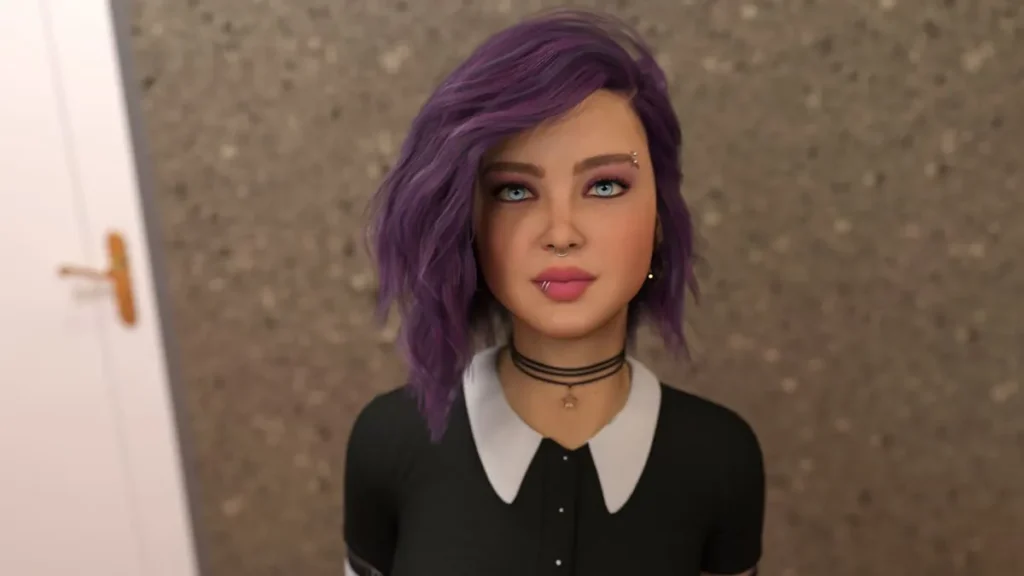
Grandma’s House Screenshots

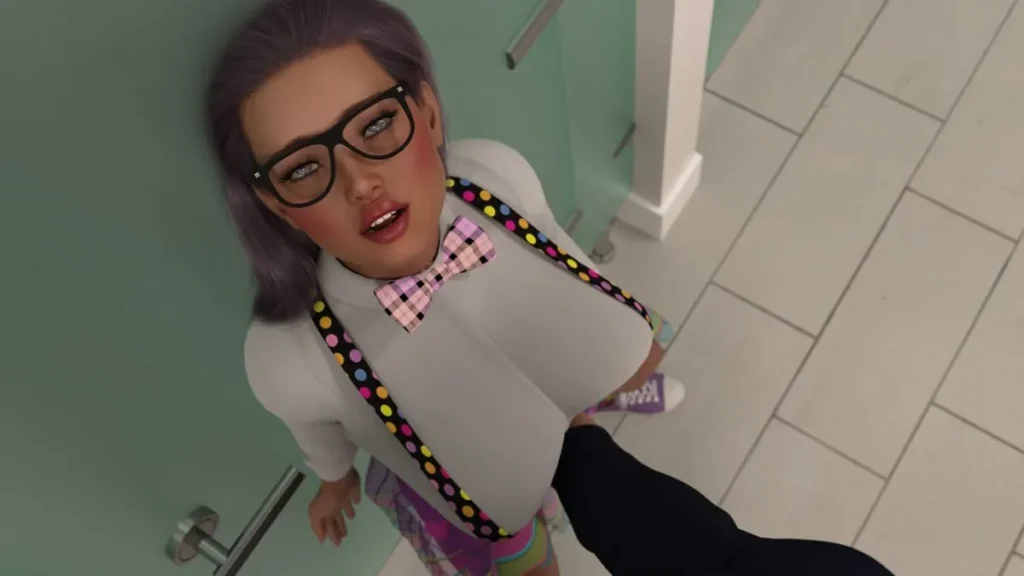








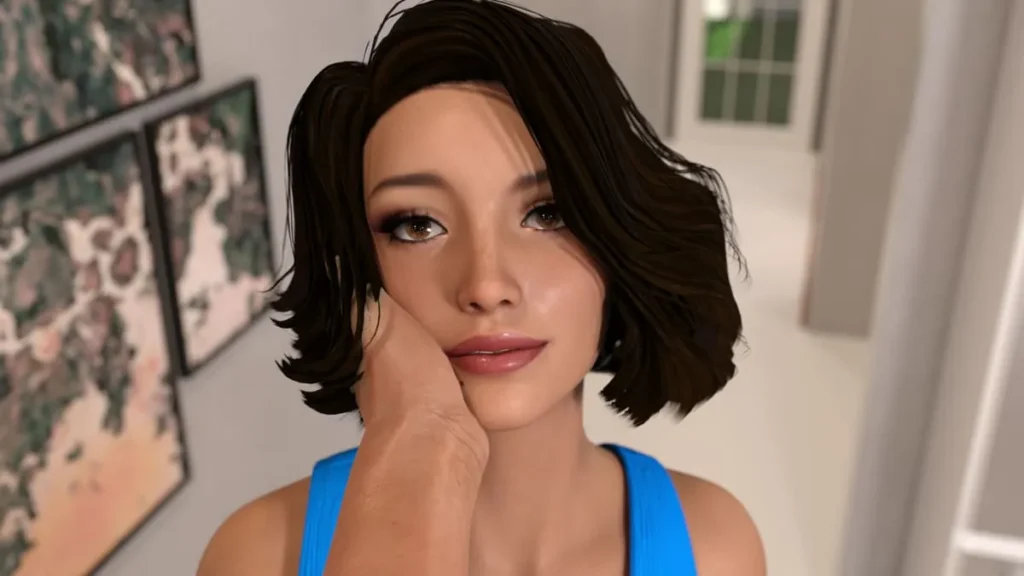
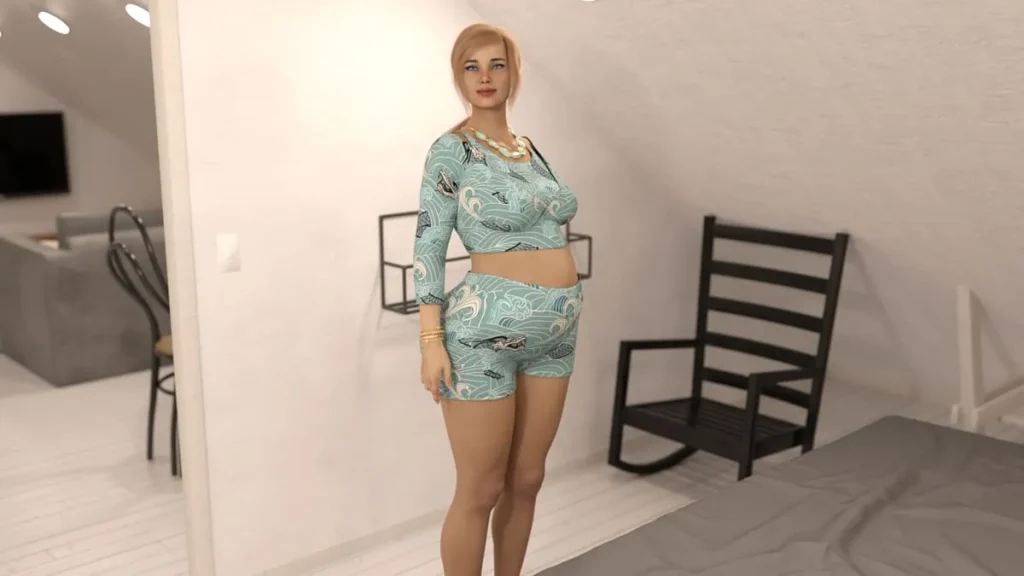
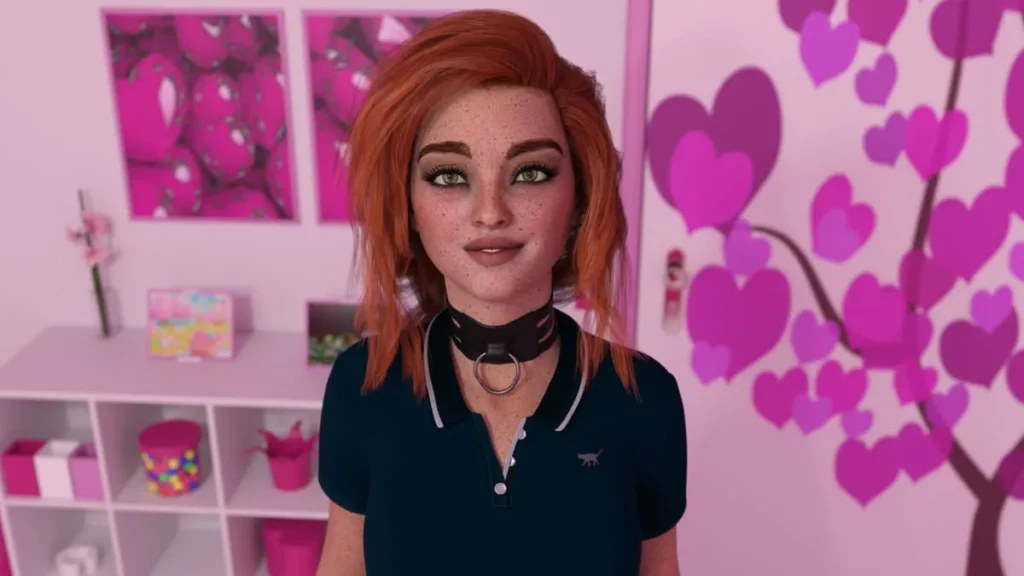

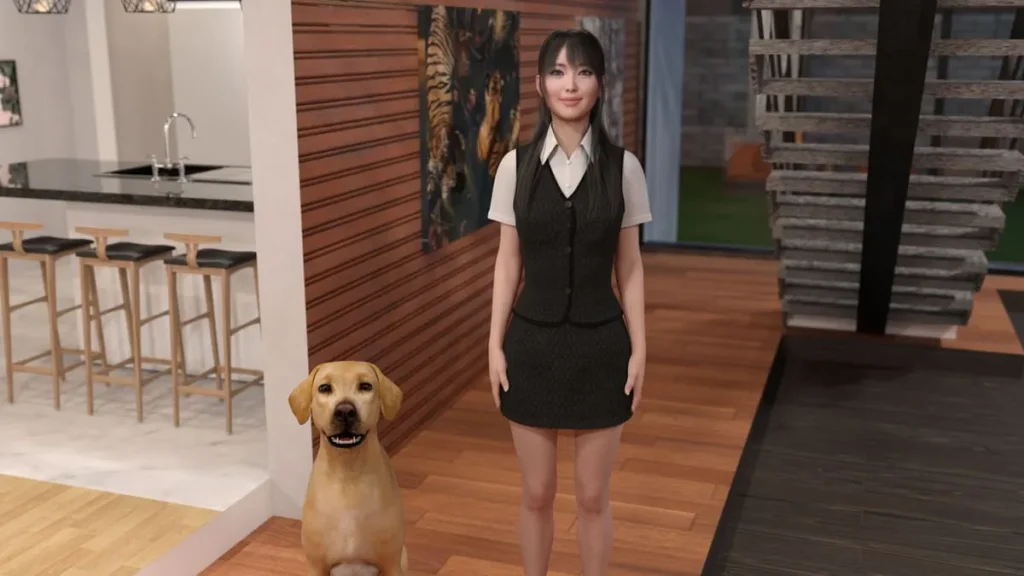

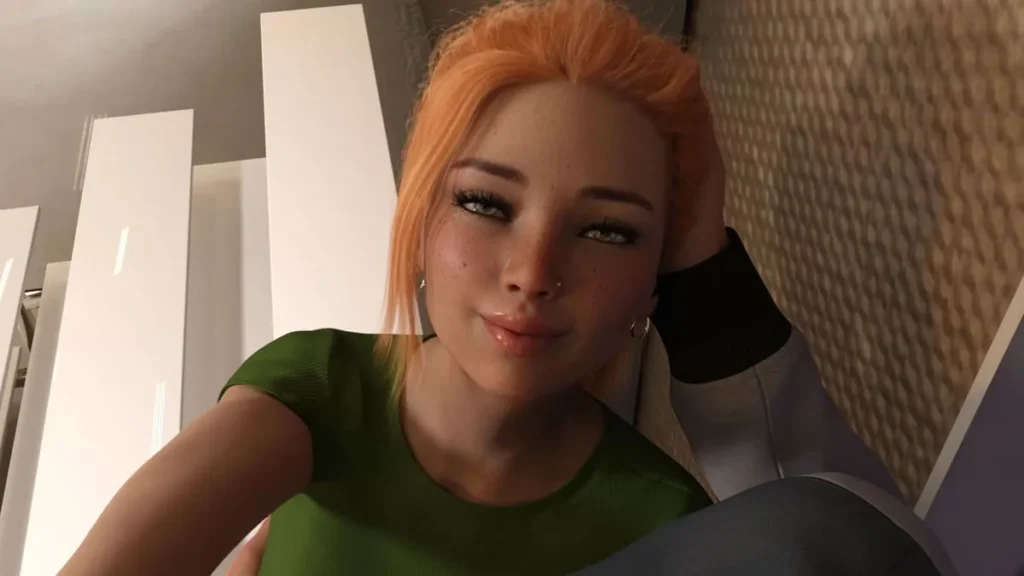
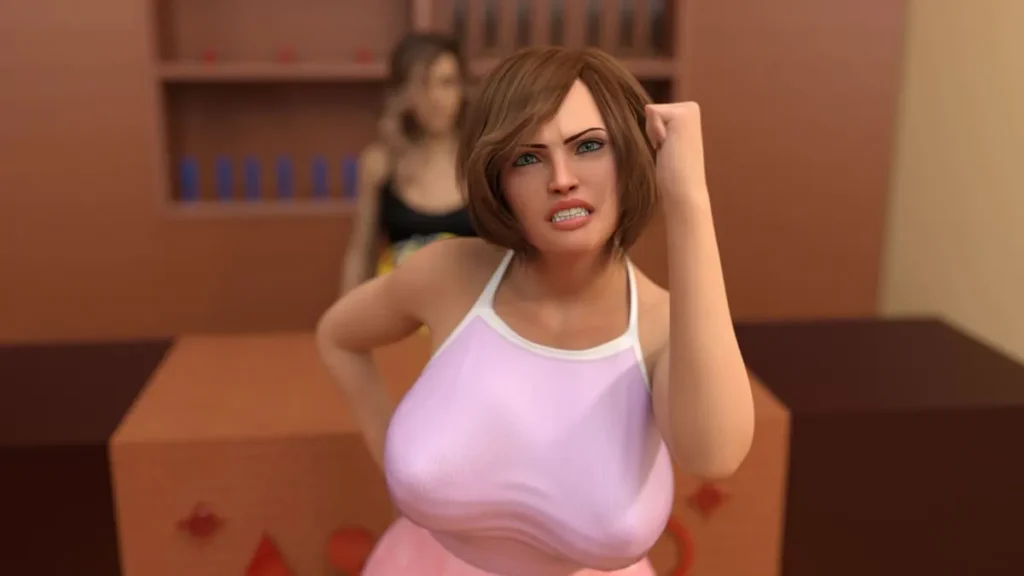
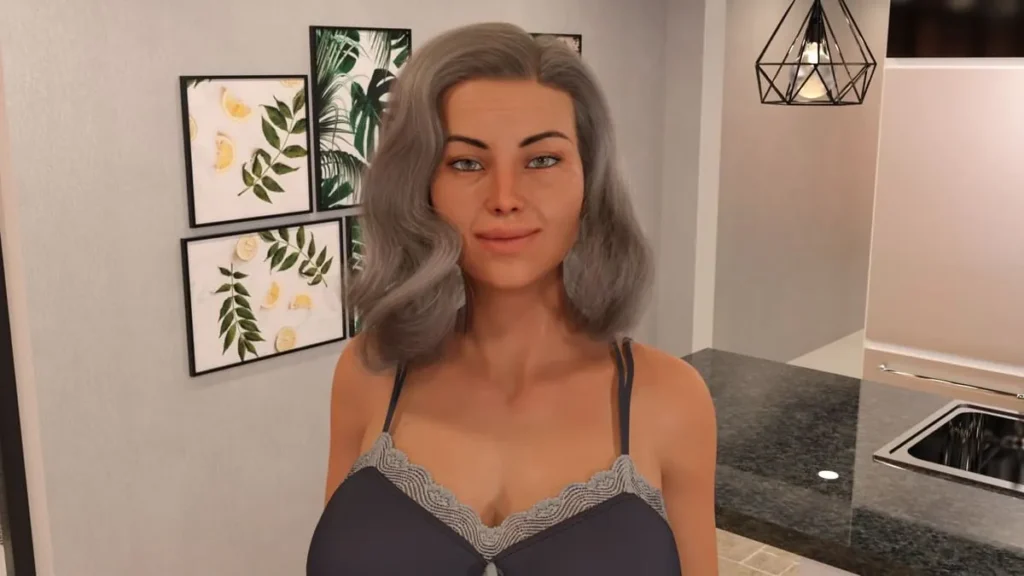

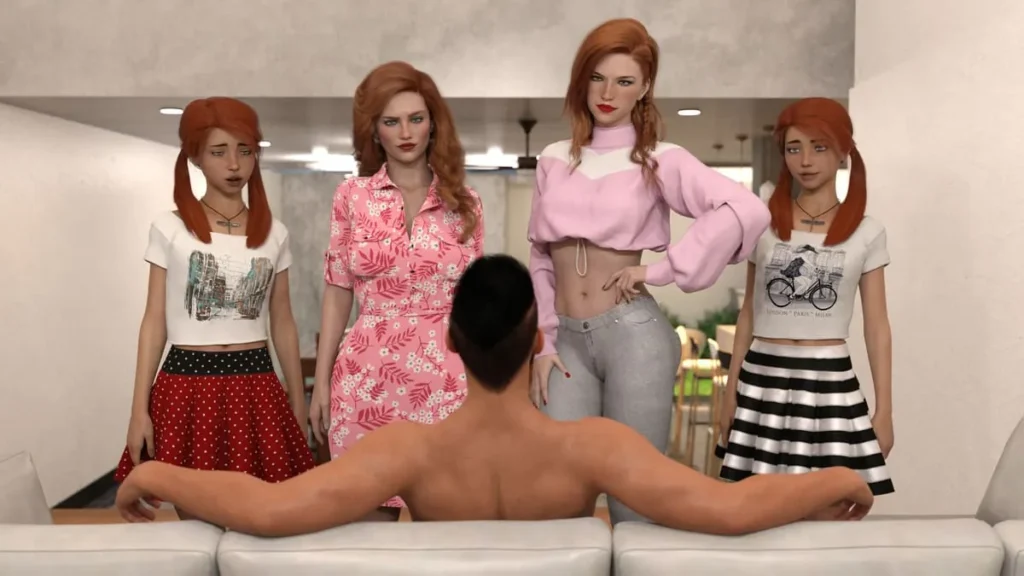

Grandma’s House review
Explore storylines, characters, and gameplay mechanics in this narrative-driven experience
Grandma’s House stands out as a narrative-focused adult visual novel developed by MoonBox Games, available on platforms like itch.io. This game combines character-driven storytelling with meaningful player choices that genuinely impact the narrative progression. Unlike many titles in the genre that prioritize immediate gratification, Grandma’s House emphasizes relationship development and character authenticity. Players navigate complex interpersonal dynamics, make consequential decisions, and experience branching storylines that reflect their choices. Whether you’re new to visual novels or a seasoned player, understanding the game’s mechanics, character arcs, and design philosophy can significantly enhance your experience.
Understanding Grandma’s House: Game Overview and Design Philosophy
If you’ve clicked on this guide, you’re probably curious about the buzz surrounding Grandma’s House visual novel. Maybe you’ve played other narrative games and found the stories a bit shallow, or the connections between characters feeling rushed and unnatural. I’ve been there too. 🎮 What you’ll discover with this title from MoonBox Games is something refreshingly different. It’s a narrative-driven experience that treats its characters and your time with a level of respect that’s honestly rare in the genre.
At its core, Grandma’s House is less about racing to an endpoint and more about savoring the journey. It understands that the most compelling stories are built on authentic moments, awkward silences, shared laughs, and earned trust. This chapter is your deep dive into the game’s soul—we’ll explore what makes it tick, why its characters feel so real, and how your decisions truly weave the tapestry of your unique story. Get ready to see how adult visual novel gameplay can be thoughtful, deliberate, and profoundly engaging.
What Makes Grandma’s House Different From Other Visual Novels
Let’s be real: the market is flooded with visual novels, especially adult-oriented ones, that follow a predictable formula. You make a few choices, you see some scenes, and the “relationship” progresses at a breakneck speed that would give anyone whiplash. 🙄 I remember playing one where a character went from “Hello, stranger” to declaring undying love in what felt like three conversations. It totally broke the immersion for me.
Grandma’s House throws that formula out the window. MoonBox Games built this experience on a foundational belief: character relationship development is a process, not a checkbox. The game’s design philosophy prioritizes authenticity over expediency. This means the writing focuses on how people actually interact—with hesitations, personal histories, and individual boundaries.
So, what are the key design principles that set this Grandma’s House visual novel apart? Here’s what I’ve observed from my time with the game:
- Slow-Burn Authenticity: Relationships develop at a human pace. Building trust, especially with more reserved characters, takes time and consistent, respectful interaction.
- Character Agency: The characters in the game have their own lives, goals, and emotional walls. They aren’t just waiting around for the player; your role is to become a part of their world.
- Meaningful Consequences: Every choice carries weight. A supportive comment might open a door weeks later, while a flippant or pushy remark could quietly shut one forever. This is the essence of how do visual novel choices matter.
- Atmosphere Over Action: The game luxuriates in the quiet, everyday moments—helping in the garden, sharing a meal, a late-night chat on the porch. These scenes are where the real connections are forged.
- Respect for the Player’s Intelligence: The game doesn’t hand-hold or railroad you. It presents situations and characters, and trusts you to navigate the social landscape, dealing with the outcomes of your branching narrative choices.
This approach creates a uniquely immersive adult visual novel gameplay loop. The “adult” elements aren’t the goalpost; they’re potential milestones in a much longer, richer journey of connection, and they only occur when they feel earned and authentic to the story. It’s a game for players who want to get invested, not just for those looking for a quick diversion.
Character Development and Relationship Progression in Grandma’s House
This is where Grandma’s House truly shines. Forget static love interests who exist solely for the player’s benefit. Every character you meet, from the central romance options to the titular grandmother herself, has a fully realized visual novel character arc. They have pasts that haunt them, present struggles they’re dealing with, and hopes for the future that may or may not include you. Your job isn’t to “win” them, but to understand them. 💖
Take Polly, for instance. She’s not just the “girl next door.” She’s carrying baggage, she’s fiercely independent, and she’s understandably cautious about letting new people into her life. You can’t charm her with a few compliments. Her path is the epitome of a slow-burn relationship. You need to show up, be genuinely helpful and kind without expectation, and prove through your actions over multiple in-game days that you’re someone she can rely on. Pushing too fast, making a crude joke, or being dismissive of her concerns can stall her arc completely. Her story is about building trust, brick by brick.
Then there’s Allie, the grandmother. 🤗 Her character relationship development is one of the most beautiful aspects of the game. It’s not romantic, but it’s deeply meaningful. She’s the heart of the house, and your interactions with her—helping with chores, listening to her stories, simply sharing space—affect the entire atmosphere of the game. Neglect this relationship, and you’ll feel a tangible loneliness in the house. Nurture it, and the “Grandma’s House” truly becomes a home, a warm foundation from which your other relationships can grow.
The game masterfully balances these arcs with characters who may have different emotional speeds. Not every connection requires the same level of protracted effort, reflecting real-life social dynamics. To give you a clearer picture, here’s a breakdown of the progression styles you’ll encounter:
| Progression Type | Core Philosophy | Key Example | What This Means for Gameplay |
|---|---|---|---|
| Slow-Burn Relationships | Trust and emotional intimacy must be earned over time through consistent, respectful choices. Focus on deep narrative connection. | Polly: Requires patient support, demonstrating reliability, and respecting her strong boundaries and independence. | Your choices test your empathy and patience. Rushing or making selfish decisions will halt progression. The payoff is a profoundly meaningful narrative arc. |
| Faster-Progression Characters | While still authentic, these characters are more open or have different personal circumstances that allow a connection to develop more readily. | Katherine (Kat): Her more outgoing and confident nature means rapport can be built quicker, though meaningful depth still requires thoughtful interaction. | Provides a different social rhythm. Engagement feels more immediate, but the game still avoids “instant” relationships, ensuring the development feels genuine. |
This structured yet organic approach to visual novel character arcs ensures that no relationship feels forced or “gamey.” The narrative waits for the character to be ready, not the player. This is a signature strength of the MoonBox Games design in this title, and it’s a major reason why the game has been celebrated on platforms like itch.io by players seeking substantial storytelling.
How Player Choices Shape Your Grandma’s House Experience
Alright, let’s talk about the engine that drives this whole experience: your agency. In many games, branching narrative choices are an illusion—a few dialogue variations that eventually funnel you back to the same two or three endings. Grandma’s House commits to a more sophisticated system. Here, your choices are the seeds from which entire storylines grow, wither, or transform. 🌱
The game operates on a principle of cumulative consequence. It’s not just about the big, dramatic “YES/NO” decision at the end of a chapter. It’s about the small, everyday interactions that define who you are in this world. Are you attentive or distracted? Kind or sarcastic? Helpful or lazy? Do you listen to understand, or just wait for your turn to talk? The game tracks these nuances.
Tip from my playthrough: Early on, I decided my character would be a bit of a joker. I picked every sarcastic and flippant dialogue option I could. It was funny for a day or two. But by the end of the first week, I noticed Polly would barely make eye contact, and conversations with Allie felt shallow and distant. I had to spend real in-game time consciously choosing kinder, more present options to repair those connections. It was a powerful lesson in how adult visual novel gameplay can simulate real social cause and effect.
This is the true answer to how do visual novel choices matter in this context. They matter because:
* They Open or Close Pathways: A series of supportive choices with a character unlocks new, more personal conversation topics and private moments. Conversely, a pattern of disinterest locks you out of their core story.
* They Alter Character Perceptions: Characters remember your significant actions. If you help them with a personal project or stand up for them in a subtle way, their future dialogue with you reflects that remembered kindness (or the lack thereof).
* They Define the Ending(s): Your ending isn’t chosen in a final scene; it’s constructed piece by piece through every interaction. The culmination of your character relationship development with each person, and the overall vibe you’ve created in the house, determines where your story concludes. There’s no “right” answer, only the story you’ve lived.
This branching narrative system demands your engagement. You can’t just click through dialogue mindlessly. You have to think about who these characters are and what they need from a friend or partner. Do you give Polly space when she’s clearly stressed, or do you try to cheer her up? Both choices are valid, but they send your shared story down different emotional paths.
The genius of Grandma’s House is that it makes this process feel natural, not like a test. You’re not optimizing a romance points spreadsheet; you’re learning about people and deciding what kind of person you want to be in their lives. This commitment to authentic consequence is what elevates the Grandma’s House visual novel from a simple pastime to a memorable narrative experience where you genuinely feel the weight and reward of your own decisions. Your story at Grandma’s House will be uniquely, undeniably yours. ✨
Grandma’s House represents a thoughtful approach to visual novel design, prioritizing authentic character development and meaningful player agency over rushed content. The game’s commitment to letting relationships develop naturally, where characters like Polly and Allie require genuine trust-building before progressing, creates a more immersive and emotionally resonant experience. By respecting character arcs and allowing player choices to genuinely shape narrative outcomes, MoonBox Games has crafted a title that appeals to players seeking depth and storytelling substance. Whether you’re drawn to complex character interactions, branching narratives, or the satisfaction of meaningful choices, Grandma’s House offers a distinctive experience within the visual novel landscape. Explore the game yourself to discover how your decisions create a unique story that reflects your approach to relationships and character development.