Companion of Darkness
Play Companion of Darkness
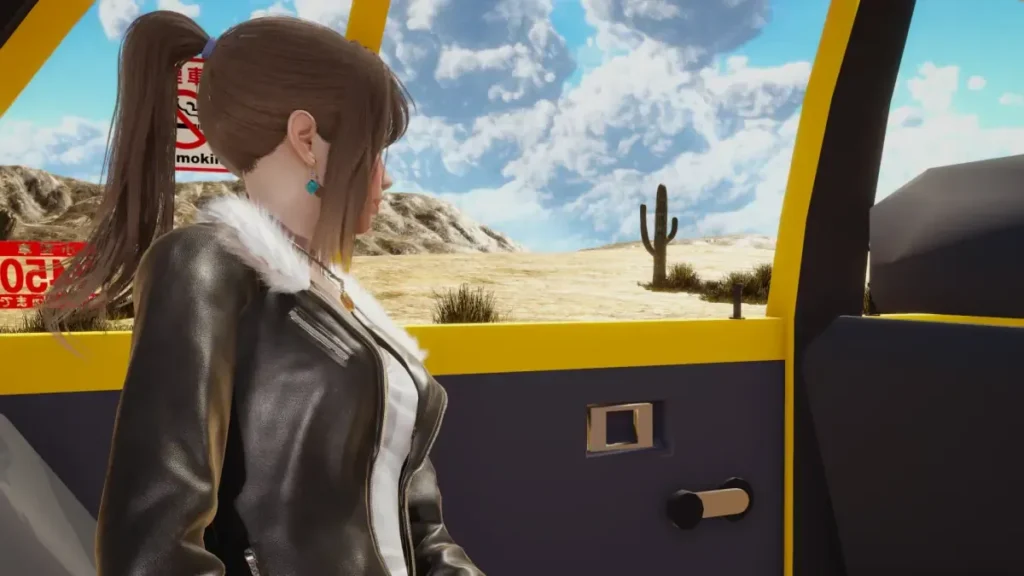
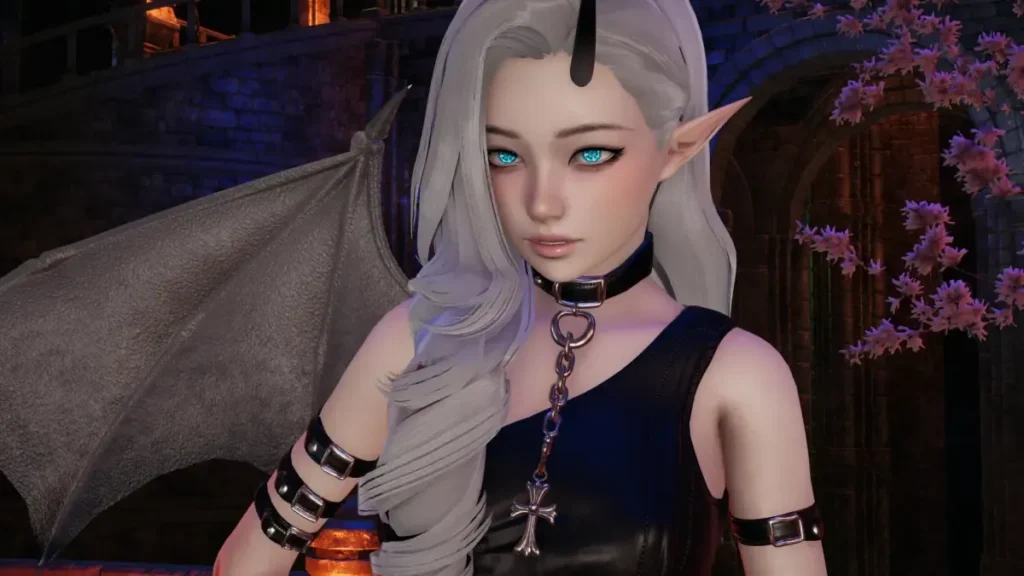
Companion of Darkness Screenshots


Companion of Darkness review
Explore the immersive storytelling, character development, and gameplay mechanics of this acclaimed visual novel
Companion of Darkness stands out as a visually compelling visual novel that combines exceptional storytelling with immersive animations and engaging character narratives. This game has garnered attention for its unique plot, beautiful character models, and atmospheric world-building that draws players into its dark, mysterious setting. Whether you’re a visual novel enthusiast or exploring the genre for the first time, understanding what makes Companion of Darkness special can help you decide if it’s the right experience for you. This guide covers the game’s standout features, narrative depth, character design, and what players appreciate most about their journey through this captivating title.
What Makes Companion of Darkness Stand Out in Visual Novel Gaming
Let’s be honest: the visual novel space is crowded. 🎮 You’ve probably downloaded a few, played through a couple of hours of static images and endless text boxes, and thought, “Is this it?” I know I have. Many promise deep stories but deliver clichés; others boast great art but have narratives thinner than paper. So, when I first booted up Companion of Darkness, my expectations were cautiously optimistic. What I discovered wasn’t just another entry in the genre—it was a masterclass in how to command attention and, more importantly, how to make a player feel.
This isn’t a simple review. Think of this as your guide to understanding why this game resonates so deeply. We’re going to peel back the layers of what makes the Companion of Darkness visual novel a standout experience, exploring the pillars of its success: its heart-wrenching narrative, its breathtaking visual craft, and the living, breathing world it builds around you. If you’ve ever wondered what separates a good visual novel from a legendary one, you’re in the right place.
Exceptional Storytelling and Narrative Design
At its core, a visual novel lives or dies by its story. Companion of Darkness doesn’t just live—it thrives, with a visual novel storytelling approach that feels both intimate and epic. The visual novel narrative design here is a careful, deliberate construction. It understands that player agency isn’t just about choosing romantic partners (though those choices are impactful and meaningful); it’s about shaping your moral compass and defining your relationship with the world itself.
The plot avoids the well-trodden paths. Instead of a simple tale of good versus evil, you’re plunged into a nuanced struggle within a world where darkness is a tangible, almost sympathetic force. You play as a character bound to a mysterious companion born of shadows, and this relationship is the engine of the entire story. The writing excels in its pacing, knowing exactly when to offer a moment of quiet reflection between characters and when to hit you with a revelation that changes everything you thought you knew. I remember a specific late-night play session where a major twist reframed hours of previous dialogue. I had to put the controller down and just process it—that’s the power of expert narrative design.
What truly sets the Companion of Darkness narrative apart is its commitment to consequence. Early, seemingly innocuous choices—a show of trust, a withheld piece of information—ripple outward, affecting character alliances, available story paths, and even the game’s ending sequences hours later. This creates a powerfully personal connection; your story feels unique.
Tip: Don’t rush through dialogue. The game’s rich subtext and character nuances are often hidden in quieter moments. Let the scenes breathe.
The Companion of Darkness game features that support this storytelling are worth highlighting. It moves beyond basic dialogue trees into a system I can only describe as “emotional navigation.” Here are the key features that distinguish its narrative engine:
- The Loyalty Nexus: Your actions don’t just affect a single character’s “affection meter.” They influence a web of loyalties between your main character, their shadow companion, and the supporting cast, creating complex interpersonal dynamics.
- Memory Fragments: Scattered throughout the story are optional, collectible scenes from the past. These aren’t just lore dumps; they are crucial, emotional pieces that actively deepen your understanding of present-day character motivations and conflicts.
- Dynamic Perspective Shifts: At critical junctures, the narrative perspective briefly shifts from the protagonist to other key characters. This genius design choice allows you to understand their internal struggles, making antagonists more relatable and allies more complex.
- The “Trust” Mechanic: Rather than a simple good/evil binary, your core interactive mechanic is building (or breaking) trust with your companion. This metric directly influences the dialogue options available to you, literally changing how you can interact with the story world.
This robust framework ensures the visual novel storytelling is never passive. You are an active participant in unraveling—and ultimately deciding—the fate of this beautifully bleak world.
Visual Quality and Character Model Excellence
If the story is the soul, then the visual presentation is the breathtaking face of Companion of Darkness. The character design visual novel enthusiasts dream of is on full display here. This isn’t about generic “anime-style” art; it’s about purposeful, detailed design where every line, color, and expression tells a story.
The female character models, in particular, are a staggering achievement. They are crafted with an incredible attention to detail that serves the narrative, not just aesthetics. Their clothing reflects their personalities and stations—from the practical, worn leather of a resistance fighter to the elegant, unsettlingly fluid dresses of those allied with the darkness. Their expressions are a language of their own. A slight narrowing of the eyes, a faint, barely-there tremble of the lip, a moment where a smile doesn’t quite reach the eyes—these micro-expressions convey layers of emotion that the text alone cannot.
I recall one pivotal scene with the character Elara, a scholar of the arcane. The dialogue was tense, but it was her character design that sold the moment. As she revealed a painful truth, the animation subtly shifted her posture from confident to defensive, her hands clasped tightly in front of her. The light in her eyes dimmed just a fraction. This visual storytelling made her vulnerability palpable, pulling me deeper into the drama than words ever could alone.
The environments are equally characterful. They are painted with a deliberate color palette that reinforces the game’s themes. Areas touched by the shadow companion are bathed in deep purples and blues, not as a sign of pure evil, but of melancholy and hidden power. Safe havens glow with warm ambers and golds. This consistent visual novel narrative design through art direction means you’re always feeling the story through your eyes.
To illustrate how design informs narrative, let’s look at the core cast:
| Character | Design Philosophy & Key Visual Traits | Narrative Role & Player Perception |
|---|---|---|
| The Shadow Companion | Non-corporeal, fluid form made of shifting particles and faint light. Lacks fixed facial features, expressing through “gestures” of energy. | Creates mystery and empathy. Players project emotion onto it, deepening the personal bond. Its design emphasizes its “otherness” and innate connection to the world’s magic. |
| Elara (The Scholar) | Practical, layered robes in earth tones. Carries a glowing, rune-inscribed tome. Eyewear that subtly reflects light, often hiding her eyes. | Communicates intelligence and guarded emotion. The hidden eyes suggest she withholds knowledge, making the player work to earn her trust and see her true self. |
| Kaelen (The Warden) | Heavy, scarred armor with organic, almost root-like embellishments. Carries a weapon that seems part metal, part petrified wood. | Embodies the conflict between duty (armor) and nature (organic details). His design immediately establishes him as a frontline defender of the world’s crumbling balance. |
This synergy between character design visual novel principles and narrative intent is what makes every interaction in Companion of Darkness feel significant and real. You’re not just looking at pretty pictures; you’re reading a history and a personality from the visual language alone.
Immersive Animation and World-Building
This is where Companion of Darkness truly separates itself from the pack. Many visual novels are beautiful slideshows. This game is a living painting. The immersive animation gameplay is not a side feature; it’s the vital breath that gives life to every other element. We’re talking about subtle, constant motion: drifting fog in forgotten alleyways, the gentle, eerie sway of bioluminescent plants in a hidden grove, the way a character’s hair catches a sudden breeze during a tense outdoor confrontation.
These animations build the atmosphere relentlessly. The world of Companion of Darkness feels alive, weathered, and deeply atmospheric. This is the essence of masterful visual novel lore and worldbuilding. The lore isn’t confined to text logs (though those exist for the dedicated historians). It’s etched into the environment—in the crumbling architecture of an abandoned temple, in the unnatural growth patterns of the forest where the darkness first seeped into the world, in the fading murals that tell of a time before the schism.
Let me give you a specific example of how animation married storytelling to punch me right in the heart. 🎭 Later in the game, there is a confrontation where your shadow companion is injured. The scene isn’t just a still image with a pained expression. The companion’s form, usually so fluid and controlled, begins to flicker and destabilize. Particles of darkness peel away like ash. Your protagonist’s hand reaches out, and a brief, hesitant animation plays where their fingers almost pass through the companion’s fading shoulder. The music swells, the background subtly pulses with a low light, and in that moment, through pure immersive animation gameplay, I felt a panic to “save” them that no line of dialogue could have triggered alone. It transformed the companion from a story element into a being I was desperate to protect.
The Companion of Darkness game features that enable this are a technical marvel. The game uses a layered animation system where character sprites, background elements, and lighting effects all operate independently, allowing for complex, cinematic scenes that feel dynamic and unexpected. This system directly supports the visual novel lore and worldbuilding by making the setting a responsive character. In areas thick with magical corruption, you’ll see visual distortions and hear ambient whispers layered into the soundscape. In safe zones, the animation is smoother, the light softer.
This perfect storm—of atmospheric animation, deep environmental storytelling, and seamless integration of lore—creates an immersion that is total. You aren’t playing a story about a world shrouded in darkness; for those hours, you are inhabiting it. The line between player and protagonist blurs, because the world reacts, breathes, and suffers around you in such a convincing way.
In the end, Companion of Darkness stands as a testament to what the visual novel format can achieve when every element is harmonized with purpose. Its story challenges and moves you, its visual design stuns and informs, and its animated world envelops you completely. It demonstrates that visual novel storytelling at its peak is a holistic art form, where narrative, art, and animation are not separate features, but threads in the same exquisite tapestry. It’s more than a game; it’s an experience that lingers in your mind long after the final choice is made, setting a new benchmark for emotional depth and technical craft in the genre.
Companion of Darkness has established itself as a notable entry in the visual novel genre through its combination of exceptional storytelling, high-quality visuals, and immersive animations. The game’s strength lies in its ability to balance narrative depth with engaging character development, creating an experience that resonates with players seeking meaningful interactive fiction. From its beautiful character models to its atmospheric world-building, every element contributes to an engaging experience that keeps players invested in the story. The community’s positive reception, coupled with constructive feedback that drives ongoing improvements, demonstrates the game’s impact on players. Whether you’re drawn to the compelling narrative, the character relationships, or the visual presentation, Companion of Darkness offers a distinctive experience worth exploring. As the game continues to evolve based on community engagement, it remains a compelling choice for visual novel enthusiasts looking for quality storytelling and immersive gameplay.